
On this page
Whooping cough (pertussis) is still one of the most significant bacterial respiratory infections spread by droplets. Although compulsory vaccination has made the classic severe illness less common, the bacterium that causes it, Bordetella pertussis, is constantly present and circulating. Because the immunity from childhood vaccination gradually wanes over the years, atypical forms of the infection are becoming more common among adults too.
The modern molecular (PCR) test available at Sabjanics Medical Center is currently the most accurate way to confirm the disease in its early stage, when traditional methods still fail.
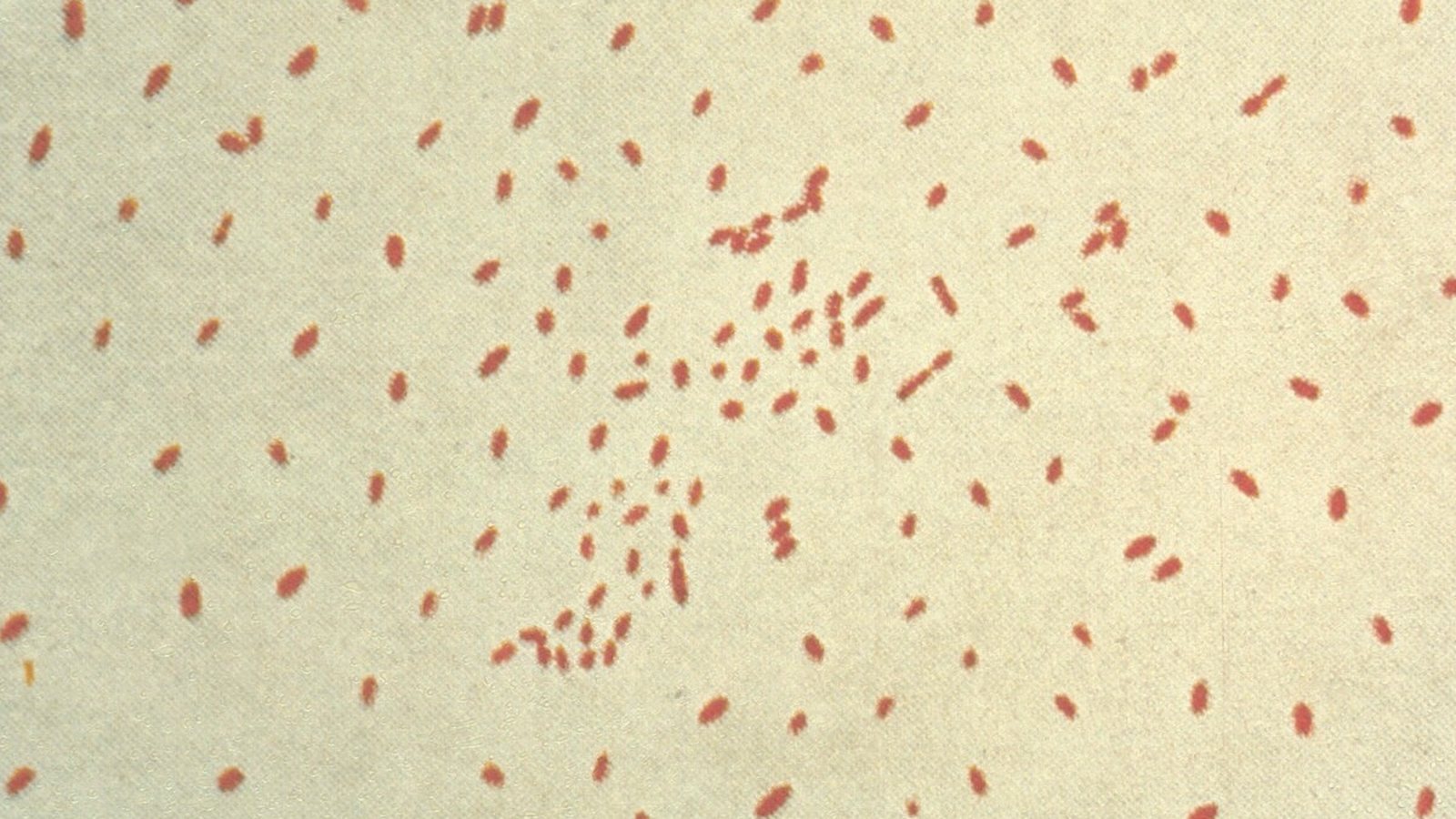
How pertussis progresses: the clinical stages
The illness usually develops after an incubation period of 1–2 weeks and has three clearly distinct stages:
- Catarrhal stage (1–2 weeks): A mild low-grade fever, a runny nose and a worsening cough. Clinically, this is the most critical period: the patient is at their most infectious, while the symptoms look like a simple cold.
- Paroxysmal stage (2–4 weeks): The typical violent, choking coughing fits appear (with a 'whooping' intake of breath), and they get worse at night. Fits often end with thick, glassy mucus being brought up, or with reflex vomiting. A classic fever is usually absent at this stage.
- Convalescent stage (1–3 weeks): The coughing fits slowly become less intense and less frequent.
Why can early detection save lives? (Risks and complications)
Depending on age, whooping cough can cause different serious complications, so an accurate diagnosis should not be delayed:
- Newborns and infants: For them, the infection is life-threatening. In babies, the attacks are often signalled not by coughing but by apnoea (pauses in breathing) and cyanosis (bluish skin). Typical complications are severe bacterial pneumonia and permanent brain damage caused by lack of oxygen (encephalopathy).
- Adults and older children: Weeks of violent, physically exhausting coughing fits can lead to broken ribs, an inguinal hernia, an umbilical hernia or rectal prolapse.

Why is PCR the gold standard for diagnosis?
In the early phase of infection, growing the bacterium in culture is very difficult and unreliable, while serological tests (antibodies in the blood) only turn positive from the 3rd–4th week of illness.
The multiplex PCR technology used at Sabjanics Medical Center detects the bacterium's DNA directly from an upper airway sample. This method is:
- Ultra-sensitive: positive even when very few bacteria are present.
- Fast: gives an accurate result within days.
- Effective at the right time: it is most reliable in the early, catarrhal stage, when targeted antibiotic treatment can still meaningfully shorten the illness.
IMPORTANT INFORMATION FOR PATIENTS
- Indication
- For a prolonged cough that comes in fits; if someone around you has confirmed pertussis; to screen family members before a newborn arrives.
- Type of sample
- A nasal (nasopharyngeal) or throat (oropharyngeal) swab, taken with a special swab.
- Preparing for the test
- The sample can be taken at any time of day, but for accuracy you must not eat, drink, brush your teeth, gargle or use mint chewing gum or sweets in the 4 hours before the sample.
- How will I receive my result?
- With your consent, we email your result as an encrypted, password-protected PDF. At the follow-up consultation, our specialist will explain it to you in detail. How results are sent
What should you do if the result is positive?
If the PCR test confirms Bordetella pertussis, current public health and professional protocols make the following steps mandatory:
- Prompt targeted treatment: Contact your doctor without delay. Specific macrolide antibiotic treatment can effectively stop the bacteria multiplying if started within 21 days of the first symptoms.
- Strict isolation: To prevent transmission, the patient must be isolated at home or, if needed, in hospital. Wearing a surgical mask is essential to protect those around them.
- Contact tracing and prophylaxis: People in close contact with the patient (family members, colleagues) need post-exposure antibiotic chemoprophylaxis (preventive medication) within 21 days of exposure to stop the infection spreading.
Our specialists' advice: If someone around you has a persistent, choking cough, or you have had symptoms for weeks that will not go away, don't take chances. Book a PCR test at Sabjanics Medical Center so we can see clearly and start the right specialist care in time.
This guide does not replace a consultation with a doctor.