
On this page
Infectious mononucleosis (commonly known as the “kissing disease”) is a typical set of clinical symptoms, caused in the vast majority of cases by Epstein–Barr virus (EBV), and in a milder form by cytomegalovirus (CMV). Both belong to the herpesvirus family, which means that after the first infection they stay in the body for life and can reactivate from time to time when the immune system is temporarily weakened.
It is estimated that almost 95% of adults catch the infection at some point in their lives, but the classic illness with severe symptoms most often affects people aged 15–24. The modern multiplex PCR test available at Sabjanics Medical Center identifies the viral DNA directly from the throat, giving a fast, clear distinction from bacterial throat infections with similar symptoms.
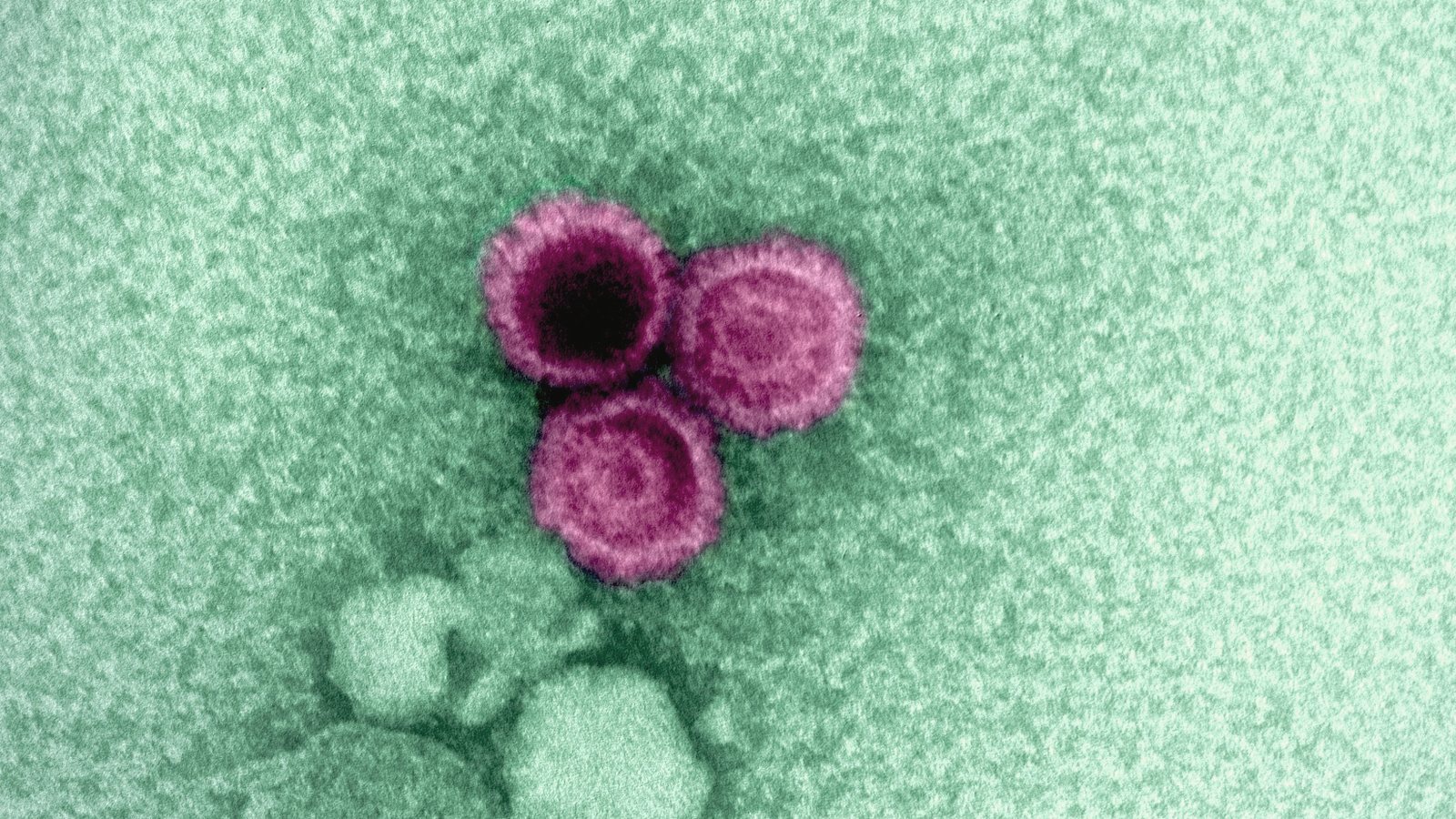
How does the infection develop, and what are its symptoms?
The virus spreads mainly through direct contact with infected saliva (hence the name ‘kissing disease’), but it can also pass on through shared glasses or cutlery. Its incubation period is unusually long, 3–6 weeks on average. Because the virus can also be present in the saliva of people with no symptoms, its spread is very hard to prevent.
The most common clinical symptoms of mononucleosis:
- Prolonged, high fever and a general, marked feeling of being unwell, with headache.
- Severe, widespread sore throat and tonsillitis, with marked, painful swelling of the lymph nodes in the neck (and often elsewhere in the body).
- Because of the build-up of immune cells on the tonsils (lymphoid hyperplasia) and the antibodies the body produces, symptoms can last for weeks, and full recovery can take months.
Key risk: an enlarged spleen (splenomegaly)
Almost half of people with mononucleosis develop an enlarged spleen. This is a very serious condition: the enlarged, fragile spleen can rupture after a blunt blow to the abdomen or physical strain, which can cause life-threatening internal bleeding. This is especially important for active athletes: once the diagnosis is made, physical activity and contact sports must be stopped completely until full recovery.
Immunodeficiency: When the immune response is weakened or impaired, persistent Epstein–Barr virus infection can increase the risk of certain blood cancers, such as Hodgkin lymphoma.

Why is multiplex PCR the most reliable diagnostic step?
In adults, mononucleosis accounts for only 2% of classic throat illnesses, so from the symptoms alone it is easily mistaken for severe bacterial tonsillitis. What is more, antibiotics often prescribed unnecessarily after a wrong diagnosis (especially amoxicillin derivatives) can trigger a characteristic rash all over the body in people with mononucleosis.
The multiplex real-time PCR test at Sabjanics Medical Center:
- It detects the viruses’ genetic material directly at the point of entry (from the cells lining the throat).
- It precisely distinguishes whether EBV or CMV is the cause, which determines the likely course and severity of the illness.
- It gives a fast result, so the doctor can set up the right supportive treatment plan straight away and spare the patient unnecessary antibiotics.
IMPORTANT INFORMATION FOR PATIENTS
- Sample needed
- A non-invasive, gentle throat swab taken with a special swab.
- Preparing for the test
- The sample can be taken at any time of day, and there are no dietary restrictions. For accuracy, please avoid, for 4 hours before the sample is taken, your usual oral hygiene products (toothpaste, mouthwash) and menthol chewing gum or sweets, as these can affect detection of the viral DNA.
- How will I receive my result?
- With your consent, we email your result as an encrypted, password-protected PDF. At the follow-up consultation, our specialist will explain it to you in detail. How results are sent
What should you do after a positive result?
A positive PCR result clearly confirms the presence of active EBV or CMV.
- If the result is positive: As there is no specific medicine against these viruses, treatment is mainly to relieve symptoms (bed rest, plenty of fluids, medicines for fever and pain). Always take your result to a Sabjanics Medical Center specialist, who will check for complications (for example the state of the spleen by ultrasound) and decide how long you need to take things easy and avoid sport completely.
- Protecting those around you: If the result is positive, screening and monitoring of the people closest to you (family members, partner) is strongly recommended, to stop the chain of infection.
Keep your health safe with the latest diagnostics! If you or your child has had a feverish sore throat, swollen glands in the neck or unexplained weakness for weeks, do not take chances. Book the mononucleosis PCR screening test at Sabjanics Medical Center, and get a fast, accurate answer about your symptoms.
This guide does not replace a consultation with a doctor.