
On this page
Bacterial respiratory infections range from milder illnesses of the upper airways (nose, throat, sinuses) to serious, even life-threatening conditions affecting the lower airways and lung tissue. Because the symptoms caused by different bacteria are deceptively similar – and often resemble viral infections too – it is hard to pin down the exact cause from the clinical picture alone.
The complex respiratory bacterial multiplex PCR test available at Sabjanics Medical Center can identify the most important respiratory pathogens at once, from a single sample. This precise diagnostic method detects the bacteria’s DNA directly, so it gives a clear answer within days and avoids unnecessary antibiotic courses prescribed on guesswork.
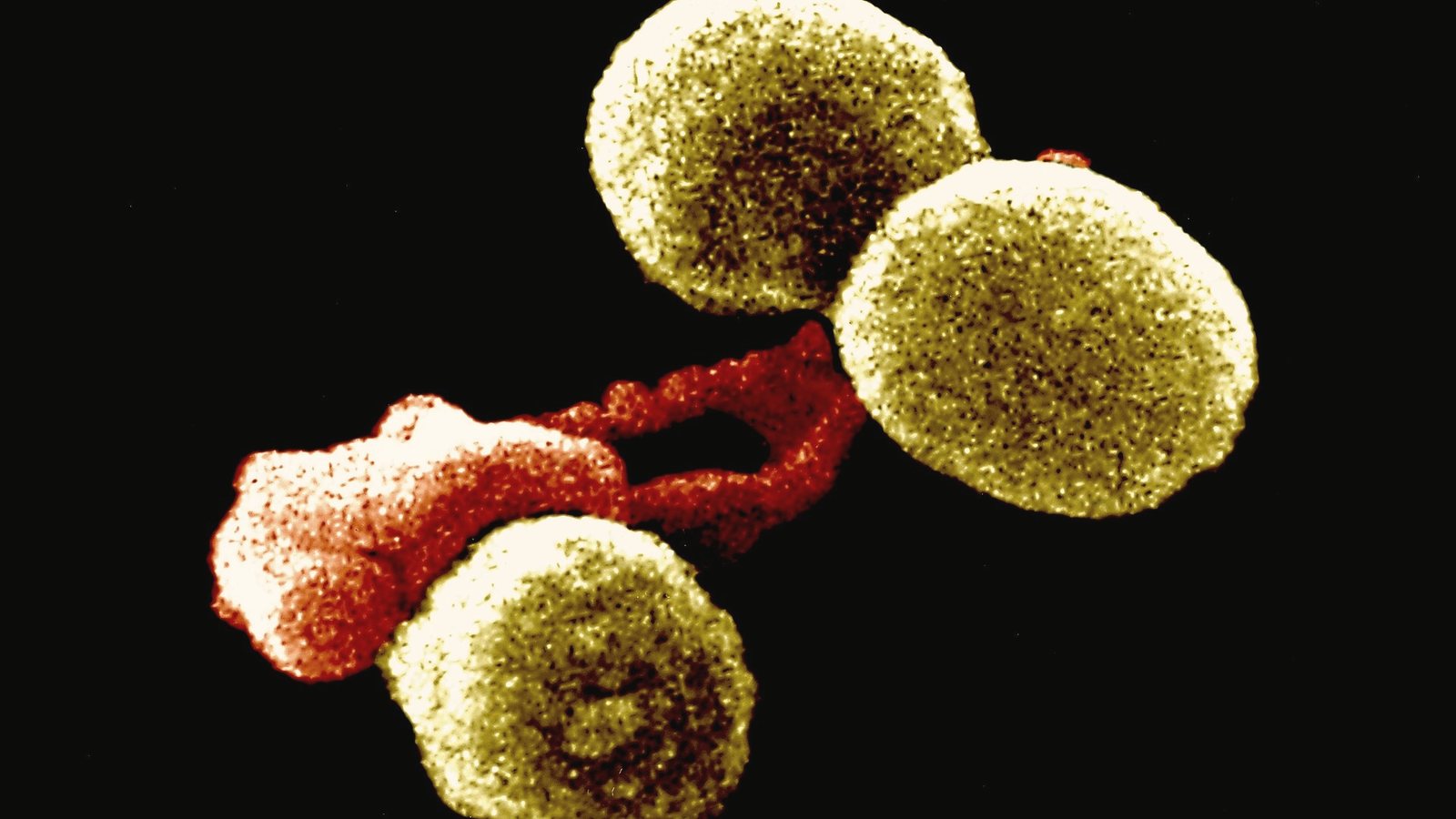
Which pathogens does the complex panel identify?
The test screens for the most common and clinically most critical bacterial agents at once:
- Streptococcus pneumoniae: The leading cause of bacterial pneumonia, which also often causes middle ear and sinus infections.
- Haemophilus influenzae: A common pathogen that is a particular risk for older people, young children and people with chronic lung disease (e.g. COPD).
- Bordetella pertussis and Bordetella parapertussis: Highly contagious bacteria that cause whooping cough, with choking coughing fits that last for weeks.
- Legionella pneumophila: The cause of the serious “Legionnaires’ disease” (a pneumonia) with a high death rate, typically spread by contaminated water vapour from poorly maintained air-conditioning systems.
- Mycoplasma pneumoniae and Chlamydophila pneumoniae: Atypical bacteria that cause a slowly developing, lingering pneumonia with a dry cough, headache and weakness, mainly in young people.
- Moraxella catarrhalis: A pathogen behind common ear and sinus infections in both children and adults.
What illnesses could be behind the symptoms?
The bacteria in the panel can attack different parts of the airways:
1. Upper respiratory infections
- Sinusitis: Signs include pressure and pain in the sinuses, a stubborn blocked nose, a pus-like runny nose and headache.
- Sore throat and tonsillitis (pharyngitis): Marked by an intense sore throat, difficulty swallowing, fever, and swollen, red or coated tonsils.
- Middle ear infection (otitis media): Mainly seen in children, with severe ear pain, fever and temporary hearing loss.
2. Lower respiratory infections
- Bronchitis: Inflammation of the lining of the airways, causing a cough with clear or yellowish phlegm, chest discomfort and breathlessness. In people with chronic lung disease, symptoms can worsen quickly.
- Bacterial pneumonia: A serious inflammation affecting the lung tissue. Symptoms include high fever, chills, a productive cough (bringing up phlegm), shortness of breath, a fast heartbeat, marked weakness, and sometimes digestive symptoms (nausea, diarrhoea). Whether the infection was caught in the community or in hospital, an expert diagnosis is essential.

Why is multiplex PCR the most reliable diagnostic step?
Traditional bacterial culture takes days, and works very poorly for atypical pathogens (such as Mycoplasma or Chlamydia).
By contrast, the multiplex PCR test at Sabjanics Medical Center:
- It does not need live, growing bacteria, so it gives a reliable result even if antibiotic treatment has already started.
- Extremely fast and ultra-sensitive: it accurately identifies the strain causing the infection, even when very few bacteria are present.
- Protects against resistance: It helps your doctor prescribe a targeted antibiotic that works against the specific bacterium, preventing drug-resistant superbugs from developing.
IMPORTANT INFORMATION FOR PATIENTS
- Sample needed
- A combined nasopharyngeal and oropharyngeal swab (a non-invasive sample taken with a brush).
- Preparing for the test
- Samples can be taken at any time of day. For accuracy, in the 4 hours before the sample, avoid your usual oral hygiene products (toothpaste, mouthwash) and menthol chewing gum or sweets. Do not eat immediately before the sample is taken.
- How will I receive my result?
- With your consent, we email your result as an encrypted, password-protected PDF. At the follow-up consultation, our specialist will explain it to you in detail. How results are sent
What should you do after a positive result?
If the PCR panel confirms one of the respiratory bacteria, a Sabjanics Medical Center specialist makes an accurate diagnosis straight away and starts targeted antibiotic treatment.
- Protecting those around you: If the result is positive, screening and monitoring of people in the same household or close contacts is strongly recommended, to break the chain of infection.
- Official reporting: Please note that, under Hungarian public health law, positive results showing Legionella or Bordetella must be reported to the authorities, to help prevent outbreaks in the community.
How can we protect ourselves in the long term?
To prevent infection, Sabjanics Medical Center recommends regular, thorough handwashing, following hygiene rules, stopping smoking (which weakens the natural protective lining of tiny hairs in the airways), and pneumococcal vaccination for people in risk groups.
Breathe easy! If you or a family member has had a lingering cough for weeks, recurring fever or chest symptoms, do not put off getting an accurate diagnosis. Book the complex respiratory bacterial PCR screening test at Sabjanics Medical Center, and let us prevent more serious complications together.
This guide does not replace a consultation with a doctor.