
On this page
Acute respiratory viral infections are among the most common illnesses worldwide, accounting for almost 95% of all infectious diseases. One of the biggest challenges in clinical practice is that the symptoms caused by seasonal Influenza A and B strains and by the SARS-CoV-2 (COVID-19) virus are deceptively similar. Because both infections can begin with a sudden high fever, aching limbs and respiratory symptoms, it is impossible to make an accurate diagnosis from the clinical picture alone.
The modern multiplex real-time PCR test available at Sabjanics Medical Center can detect and tell apart SARS-CoV-2 and the Influenza A and B viruses at the same time, from a single sample. This precision method identifies the viruses’ genetic material directly, giving a clear-cut answer within days so that targeted treatment can start as soon as possible.
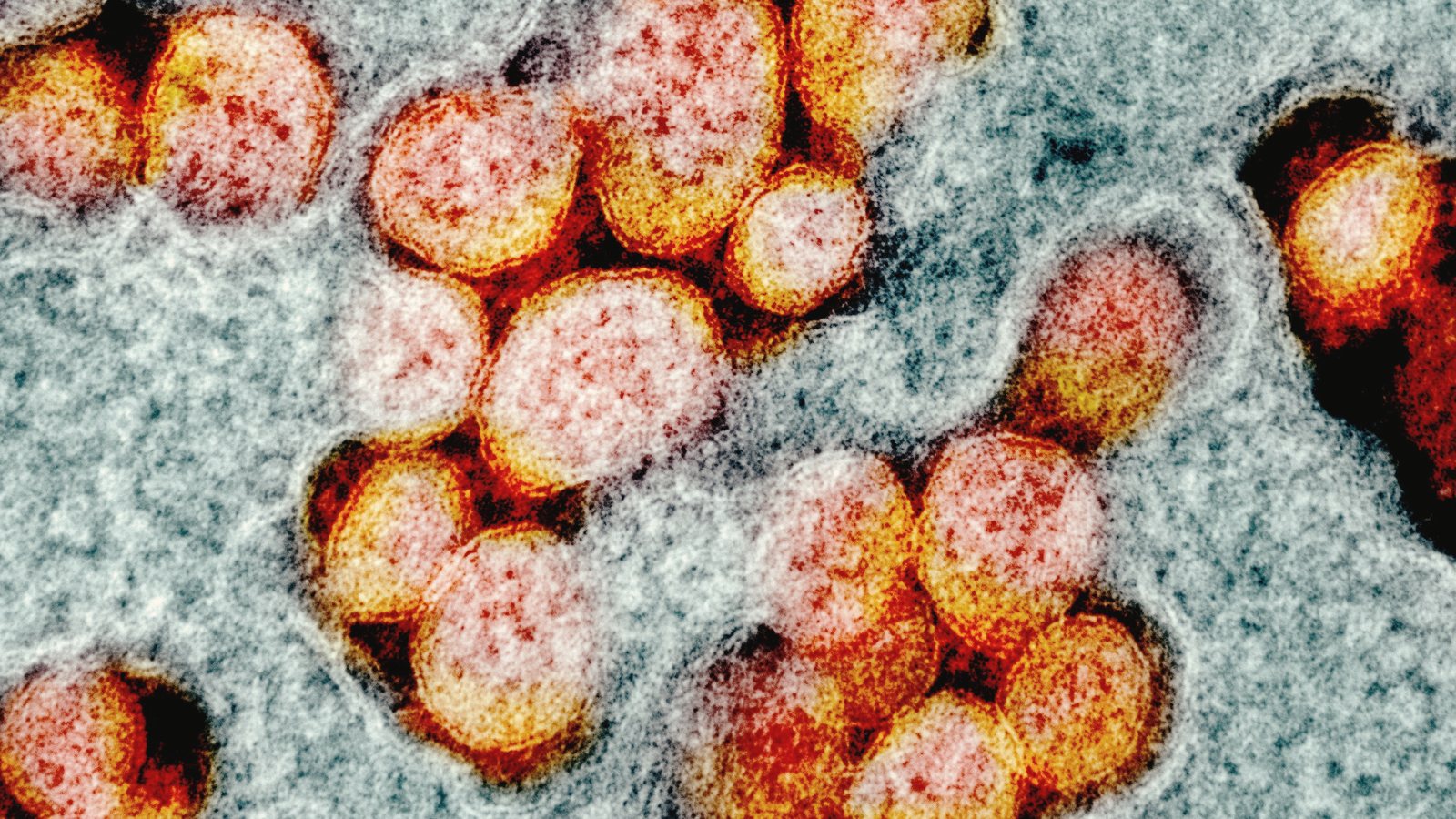
What should you know about the background and course of the two infections?
1. The influenza viruses (types A and B)
Influenza viruses, which belong to the family Orthomyxoviridae, spread directly from person to person (by droplets), and they cannot maintain a lasting hidden or latent infection – they persist in the population through continuous chains of infection.
- Influenza A: A highly changeable strain found worldwide that causes seasonal epidemics and even severe pandemics (for example H1N1 swine flu or H5N1 bird flu).
- Influenza B: Usually causes milder illness and mainly affects children and young adults.
- Clinical picture: It is marked by a sudden, very high fever (39–39.5 °C), pronounced weakness, and intense aches in the limbs and head. The virus attacks the whole airway, causing widespread inflammation in the throat and windpipe; its most serious complication is pneumonia.
2. SARS-CoV-2 (COVID-19)
SARS-CoV-2, identified in 2019, is the variant of the human coronaviruses that has so far caused the most severe illness. It spreads by close contact (by direct contact, by droplets, or, in an enclosed space, by microscopic water vapour, an aerosol).
- How the infection develops: Viral shedding begins to rise exponentially on day 3 after infection, at the same time as the fever appears, and peaks on days 5–7 of the infection.
- Effects at cell level and the cause of complications: The virus infects not only the upper airways but also the lining cells (epithelial cells) of the air sacs. The damage is caused by an excessive release of signalling molecules produced by the body’s immune cells, the interleukins (inflammatory proteins). Because older people’s bodies release these proteins in much larger amounts, severe illness and pneumonia in both lungs are considerably more common in them. The virus can also appear in the small intestine, kidneys, liver and spleen.
For which symptoms, and for whom, is the multiplex PCR test recommended?
The test is recommended for anyone, whatever their age, in the following cases:
- When acute respiratory symptoms appear: In case of sudden fever above 38 °C, chills, dry (non-productive) cough, difficulty breathing, shortness of breath, muscle pain and generally feeling unwell.
- After a known contact: If someone around you has confirmed COVID-19 or influenza, to reach a diagnosis early.
- After spending time in a likely hotspot: Even with no symptoms at all, to detect infection early and prevent further spread (outbreaks in families or workplaces).

Why is multiplex Real-Time PCR the most reliable choice?
Compared with the classic antigen rapid tests sold in pharmacies, the molecular PCR test carried out at Sabjanics Medical Center:
- Ultra-sensitive: It gives an accurate result even at the earliest stage of infection, when the amount of virus is minimal.
- One answer for all three: You don’t need to buy separate tests; a single sample shows whether you have Influenza A, Influenza B or SARS-CoV-2.
- It guides treatment: Although both illnesses are caused by viruses (so antibiotics have no effect on them), there are specific, targeted antiviral medicines for both influenza and COVID-19 in the early stage. An accurate result helps the doctor prescribe the right one.
A short guide to the test
IMPORTANT INFORMATION FOR PATIENTS
- Sample needed
- A non-invasive, gentle sample taken with a special swab from the back of the nose or throat.
- How should I prepare for the test?
- For an accurate result, please follow these rules:
• For a throat swab, you must come strictly fasting.
• In the hours before sample collection, do not brush your teeth, use mouthwash, eat or drink, or have mints or chewing gum, as these can wash away detectable virus particles. - How will I receive my result?
- With your consent, we email your result as an encrypted, password-protected PDF. At the follow-up consultation, our specialist will explain it to you in detail. How results are sent
What do the results mean, and what should you do?
- If the Influenza part is positive but COVID-19 is negative: You have an active influenza infection.
- If the COVID-19 part is positive but Influenza is negative: You have SARS-CoV-2 infection.
- If both results are negative: Your symptoms are most likely caused by another respiratory pathogen (for example RSV, adenovirus or a bacterial infection).
Steps after you receive your result: Whatever the result, it is advisable to contact your GP or a Sabjanics Medical Center specialist without delay to start targeted supportive and antiviral treatment. At the same time, to protect those around you, you must strictly follow the current health and public health isolation rules.
Find out the real cause of your symptoms in time. Don’t guess from your symptoms, and don’t risk more serious lung complications. Book an appointment for the combined multiplex PCR test at Sabjanics Medical Center, and keep yourself and your loved ones safe.
This guide does not replace a consultation with a doctor.