
On this page
About the tests
Parasitology aims to identify parasites found in or on the human body, and the infections they cause. The symptoms of parasitic infections can vary greatly, so well-chosen laboratory tests play a key part in making an accurate diagnosis.
Several kinds of symptoms can point to a parasitic infection. There may be digestive symptoms such as abdominal pain, bloating, diarrhoea, nausea or changed bowel habits, but some infections also come with skin symptoms, general weakness or other, less typical complaints. The risk of infection can be affected by, among other things, recent travel, the food or drinking water you have had, contact with animals, and other environmental factors.
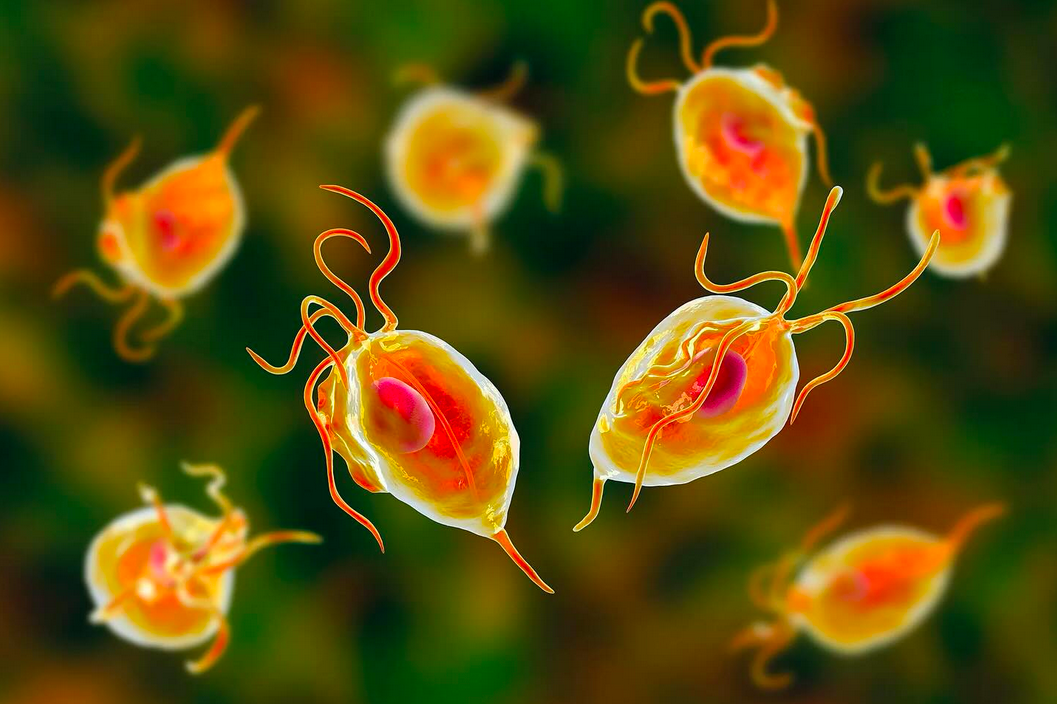
In parasitology testing, different samples may be analysed in the laboratory depending on the type of infection suspected. Testing may include microscopy, antigen or molecular tests, and in some cases a blood test. Detecting some parasites may require several samples taken at different times, as a single sample does not always show that they are present.
An accurate diagnosis also matters because many different conditions can cause similar symptoms. Assessed together with your history and clinical symptoms, the laboratory results can help establish whether there is a parasitic infection, and whether further tests or targeted treatment are needed.
At Sabjanics Medical Center, parasitology testing puts great emphasis on a detailed assessment of your symptoms, history and possible risk factors. Our aim is to choose the right tests and interpret the results expertly, giving a reliable basis for further medical care and personalised treatment decisions.