
On this page
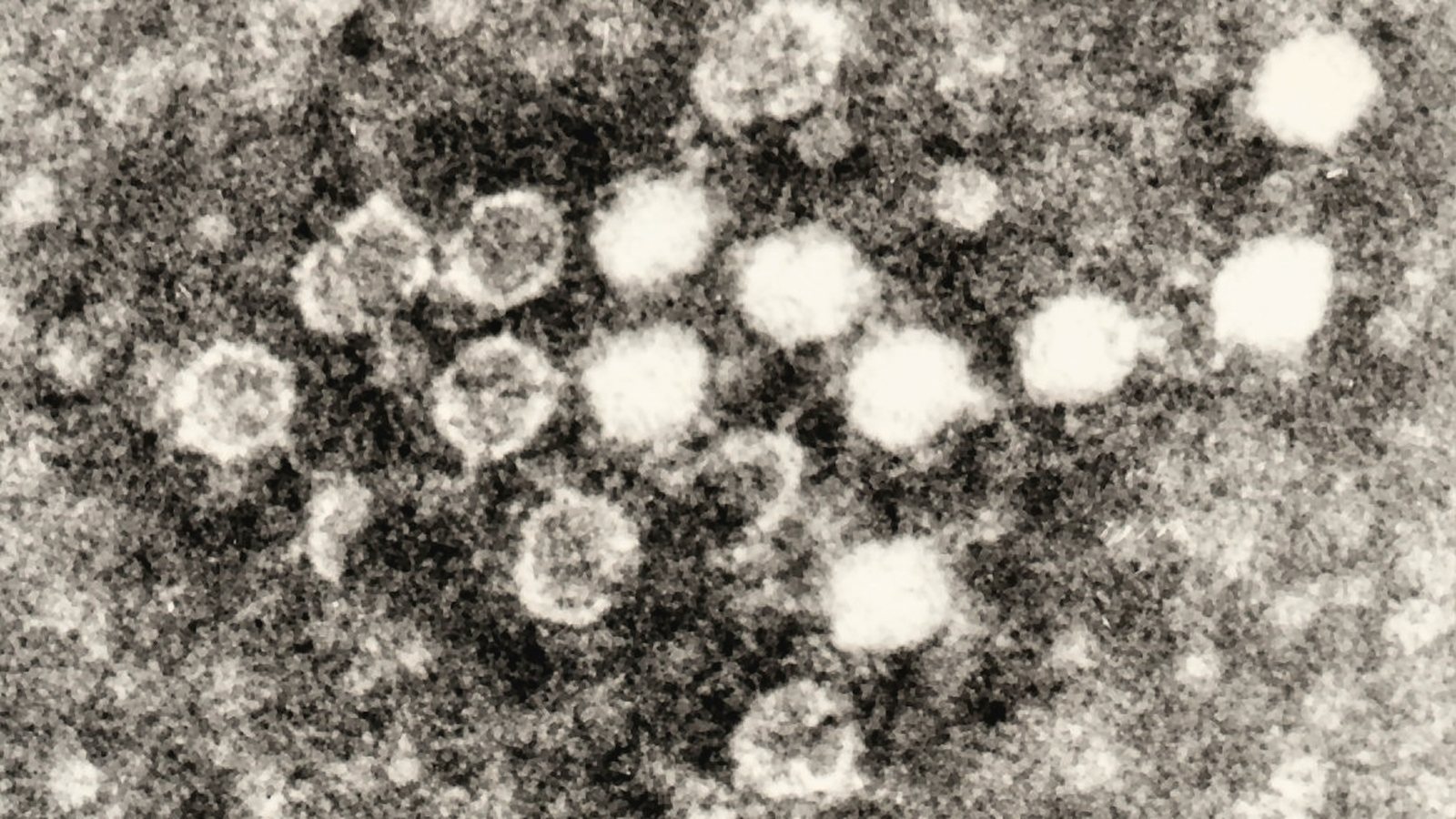
Parvovirus B19 is a DNA virus found worldwide that most often causes infection in childhood. Its best-known form is fifth disease (erythema infectiosum), also known as slapped cheek syndrome or slapped cheek disease. The virus is highly contagious: it spreads through droplets, saliva and infected blood products, and during pregnancy it can pass from mother to baby through the placenta.
In most healthy people the infection is mild and clears up on its own without a trace, but Parvovirus B19 can affect many organs and organ systems, and it poses a very serious risk to certain groups. The modern Real-Time PCR test available at Sabjanics Medical Center detects the virus’s genetic material directly. This molecular method is especially useful in early infection, suspected infection in pregnancy or weakened immunity, when standard antibody tests cannot yet give a reliable result.
What are the symptoms of Parvovirus B19 infection?
How the illness shows itself depends largely on the patient’s age and the state of their immune system:
1. Erythema infectiosum (fifth disease in children)
Although it can occur at any age, the infection most often affects children aged 4–11.
- The typical flushed cheeks: The main sign of the illness is a bright red rash that appears suddenly on the face in a butterfly-wing pattern, giving a ‘flushed’ or ‘slapped cheek’ look.
- Spread of the rash: After this, a lacy, net-like rash may appear on the trunk and limbs, which may come with a mild fever, headache, feeling unwell and muscle pain.
- The rash can keep coming back: It is important for patients to know that after apparent recovery, the rash can keep coming back for several weeks in response to sunlight, heat, physical activity or stress.
2. Joint symptoms (in adults)
In adults a strong rash is less common; the infection most often shows up as marked joint pain, joint stiffness and temporary joint inflammation. The symptoms usually settle on their own, but they can occasionally last longer and look remarkably like rheumatoid arthritis.
Who is most at risk? Serious complications of infection
Parvovirus B19 can temporarily stop the bone marrow from making red blood cells. In certain risk groups, this can lead to serious clinical complications that need immediate care:
- Pregnant women and the unborn baby: Infection during pregnancy needs particular medical attention, because the virus can cause severe anaemia in the baby, non-immune fetal hydrops (hydrops fetalis), miscarriage or fetal death. The risk is highest between weeks 9 and 20 of pregnancy.
- People with chronic blood disorders: In people who already have a chronic haemolytic disease – such as sickle cell anaemia or hereditary spherocytosis – the virus can trigger a life-threatening condition called a transient aplastic crisis.
- People with weakened immunity and organ transplant recipients: Their bodies cannot control the virus, so chronic, long-lasting anaemia can develop.
Rarer complications in other organs:
In rare cases the virus can also attack other organs and cause serious damage:
- Heart: Inflammation of the heart muscle (myocarditis), which can even lead to heart failure.
- Nervous system: Inflammation of the brain (encephalitis), inflammation of the meninges (meningitis) or Guillain–Barré syndrome.
- Other organs: Liver involvement, kidney damage, and a drastic fall in platelets (thrombocytopenia) and white blood cells.

Why does the DNA PCR test tell you more?
Laboratories confirm infection mainly with standard serology tests (detecting IgM and IgG antibodies). In some situations, however, a molecular DNA PCR test is essential:
- Antibodies can take weeks to appear after infection – PCR, however, detects the virus in the very first days of infection, before the rash appears.
- People with weakened immune systems or transplant recipients often cannot make antibodies (so their serology comes back falsely negative). PCR looks directly for the virus’s genetic material, so it gives a precise result for them too.
A short guide to the test
IMPORTANT INFORMATION FOR PATIENTS
- Sample needed
- The test can be done on venous blood or a throat swab, depending on the clinical reason.
- How should I prepare for the test?
- No special preparation is needed. The test can be done at any time of day, and you do not need to fast.
For a throat swab: For an accurate result, please strictly avoid, for 4 hours before the sample is taken, your usual oral hygiene products (toothpaste, mouthwash) and menthol chewing gum or sweets, as these can affect whether the virus DNA can be detected. - How will I receive my result?
- With your consent, we email your result as an encrypted, password-protected PDF. At the follow-up consultation, our specialist will explain it to you in detail. How results are sent
What should you do after a positive result?
There is currently no specific antiviral medicine or vaccine against Parvovirus B19. If your PCR result is positive, the next steps are:
- See a specialist straight away: In every case, you should take the result to your doctor to plan symptom relief (bringing down fever, plenty of fluids) and, in more severe cases or in people with weakened immunity, specific immunoglobulin treatment or supportive care.
- A critical step in pregnancy: If a pregnant patient has a positive result, her doctor and the gynaecologist caring for her must be told without delay. A fetal medicine specialist will then arrange close ultrasound monitoring between weeks 9 and 20 of pregnancy, so that at the slightest sign of fetal anaemia or hydrops they can step in in time, in a life-saving way (e.g. with a blood transfusion in the womb).
- Protecting contacts: If the result is positive, it is essential to test and protect people at risk in your close surroundings (pregnant women, people with blood disorders).
Prevent serious complications with an accurate diagnosis! If you are expecting a baby and someone around you has had an illness with a rash, or if you have long-lasting, unexplained joint pain, don’t put off the decision. Book the professional, fast and very safe Parvovirus B19 PCR test at Sabjanics Medical Center!
This guide does not replace a consultation with a doctor.