
On this page
Lyme disease is the most common infectious disease spread by ticks in Europe and North America, and it affects hundreds of thousands of people each year. Behind the illness are members of the Borrelia burgdorferi sensu lato group of bacteria (in particular B. burgdorferi, B. afzelii and B. garinii, and the rarer B. mayonii).
Because the symptoms of Lyme disease are so varied, it is often called the “great imitator”: its symptoms are easily mistaken for various autoimmune or other inflammatory disorders. The ultra-sensitive PCR technology available at Sabjanics Medical Center identifies the bacteria’s DNA directly, which is a key help in reaching an accurate diagnosis.
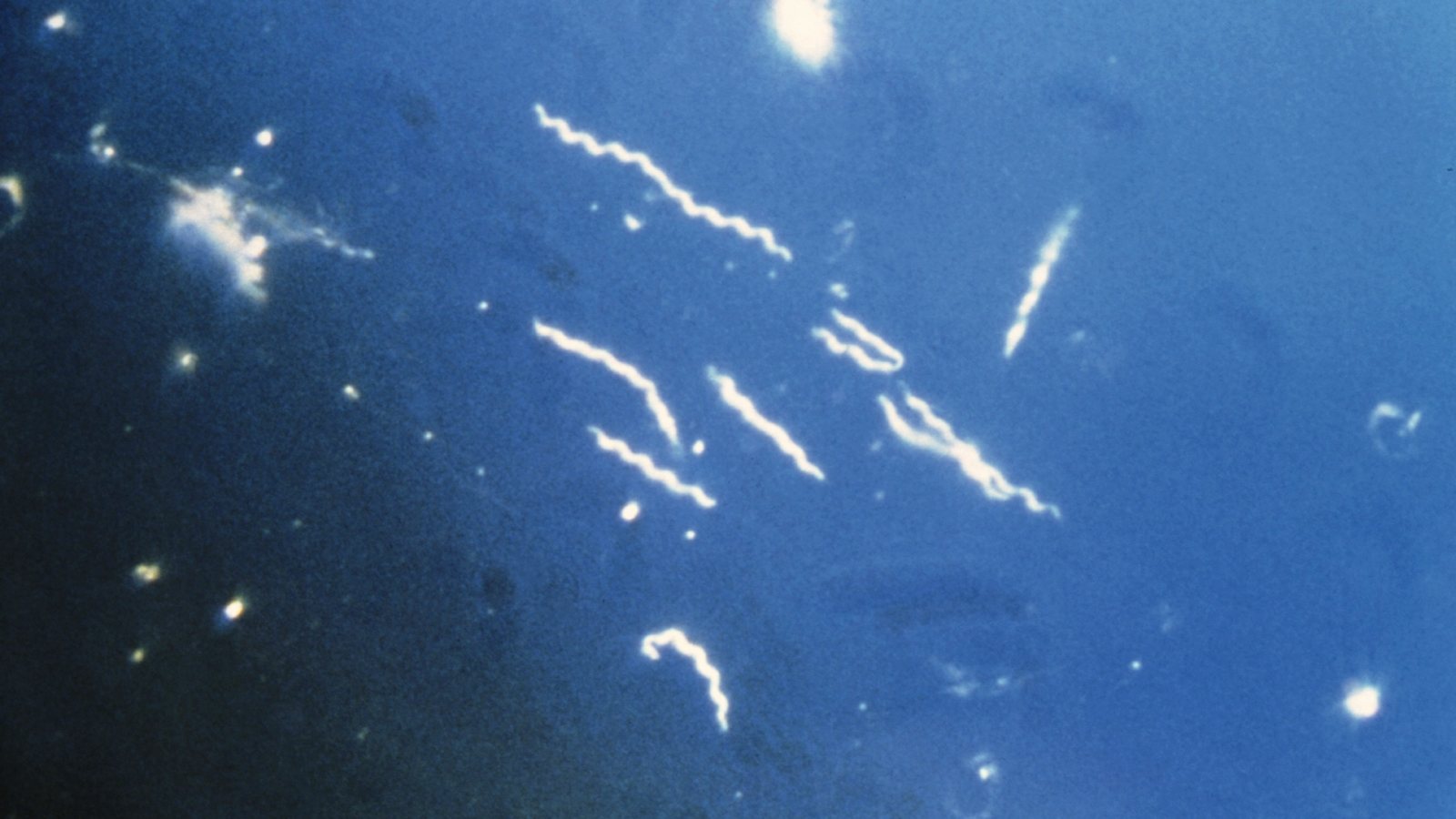
Recognising the infection and the symptoms
The earliest and most obvious sign of infection is the so-called Lyme rash (erythema migrans). This is a target-like redness of the skin that starts at the bite and spreads outwards in a circle to at least 5 centimetres. It appears in about 80% of patients.
When is laboratory testing advisable? The test is especially recommended in the following cases:
- Unclear, migratory red patches on the skin, appearing after a known tick bite or after being out in the countryside.
- Long-standing inflammation of the joints of unclear origin, chronic weakness, lethargy, or muscle pain that cannot be pinned down (if other internal medicine or rheumatological causes have already been ruled out).
- To check at once whether a tick just removed from the skin is infected.
Why is PCR the most effective additional test?
In clinical practice, the most widely used method is detecting antibodies in the blood (serology). This has a serious limit, however: the body's immune response is slow, so in the early stage of the infection (the first 1-2 weeks after symptoms appear) the test still often gives a negative result.
The Lyme PCR test used at Sabjanics Medical Center confirms the presence of the pathogen directly. For the most accurate clinical picture, PCR is best combined with serological tests, so that together with the epidemiological data and the patient’s symptoms the diagnosis can be made with full confidence.

What sample do we use for the test?
- From the removed tick: The DNA-based test detects the bacterium directly in the parasite, before it can cause you more serious symptoms.
- From a tissue sample (skin biopsy): A tiny sample taken from the edge of suspicious skin changes or atypical patches can give a clear answer.
- From venous blood or joint fluid: A diagnostic option used mainly when the infection has spread or is at a later stage.
IMPORTANT INFORMATION FOR PATIENTS
- Handing in a tick sample
- You can bring us the removed tick in a clean, tightly closed, sterile urine collection cup. As well as the tick, it is advisable to send a blood sample taken from the patient to the laboratory at the same time.
- Preparing for the test
- Taking a sample from a person (a blood sample, a skin biopsy) does not require a special diet or fasting, and it can be done at any time of day.
- How will I receive my result?
- With your consent, we email your result as an encrypted, password-protected PDF. At the follow-up consultation, our specialist will explain it to you in detail. How results are sent
What do the laboratory results mean?
- Positive result: This clearly confirms the presence of Borrelia burgdorferi DNA (or of B. mayonii, B. afzelii or B. garinii from the same complex) in the sample, which points to active infection.
- Negative result: This means there is no detectable amount of the target DNA in the sample.
Clinical note: The PCR test is highly specific, but its sensitivity has biological limits (for example, the bacteria are present in the bloodstream only briefly and in small numbers). So a negative result on its own – especially in the late, advanced stages of infection – cannot rule out Lyme disease with complete certainty.
What should you do after you receive the test result?
The laboratory result is a precise partial diagnostic result, and it does not replace a full medical consultation. Whether the tick or your own sample is positive, always see a specialist at Sabjanics Medical Center with the test result you receive. Targeted antibiotic treatment started in the early stage of Lyme disease is the most effective weapon for the definitive prevention of chronic complications.
Don’t take chances. If you have found a tick on your body, or notice suspicious symptoms after time outdoors, our expert team is here to help. Book an appointment for precision diagnostic testing at Sabjanics Medical Center.
This guide does not replace a consultation with a doctor.