
On this page
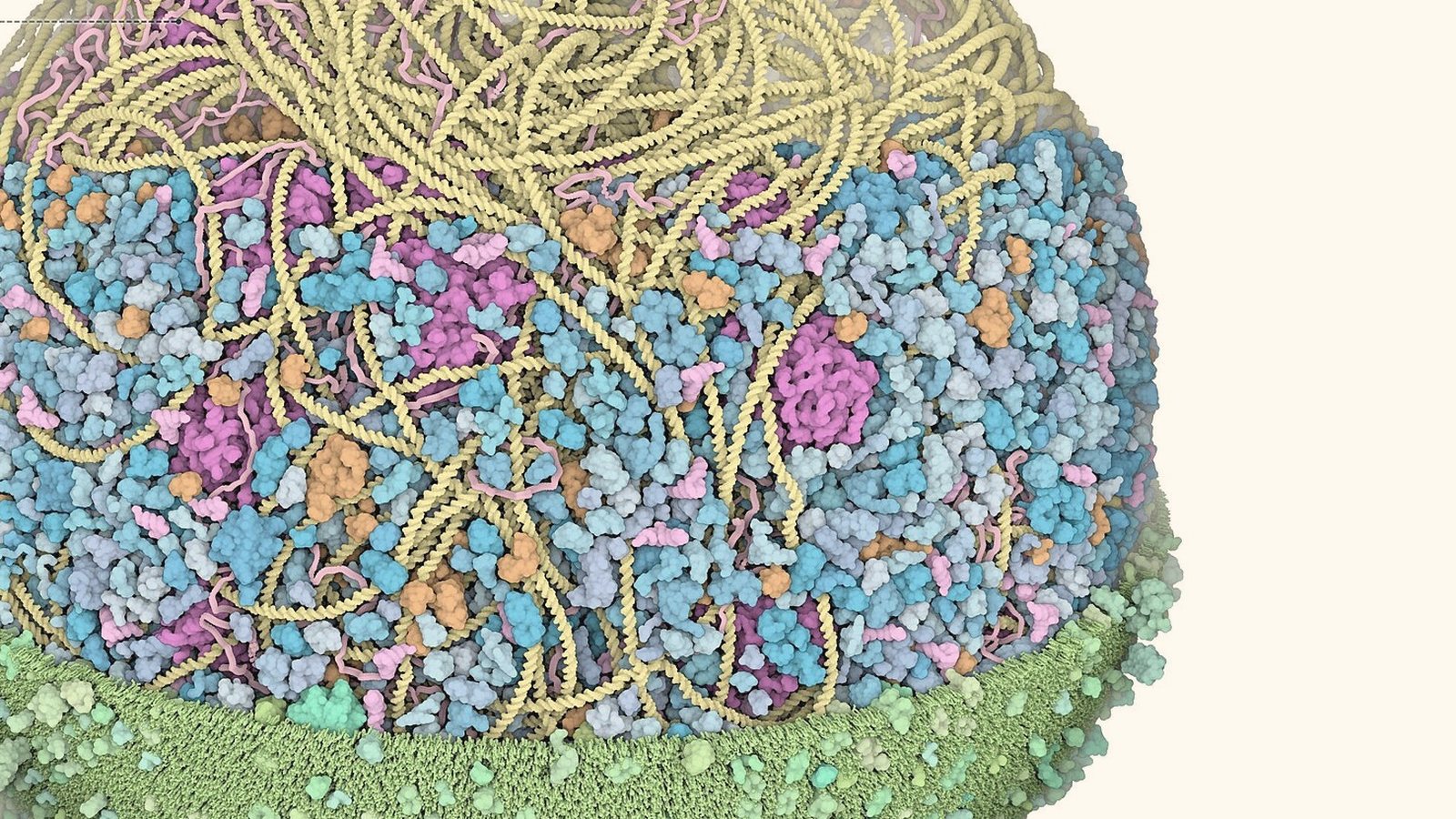
Mycoplasma genitalium is an extremely small bacterium with no cell wall, and it has become one of the most challenging sexually transmitted infections (STIs) for doctors today. According to the latest clinical data, the number of cases is rising rapidly, and it is now among the most frequently diagnosed STIs in young, sexually active people – in some risk groups it is already more common than Chlamydia.
Its greatest danger is that in most cases it hides in the body without any symptoms, while the chronic inflammation in the background can cause serious pelvic complications and infertility in both sexes. The ultra-precise DNA PCR test available at Sabjanics Medical Center identifies the bacterium’s genetic material directly, making it the most accurate diagnostic option there is.
How can you recognise the infection? (Symptoms in women and men)
The infection spreads through intimate contact. Because many infected people notice no changes at all, carriers without symptoms pass it on unknowingly. When symptoms do appear, these are the most typical:
In women:
- Non-specific, changed or unpleasant vaginal discharge.
- A burning or stinging feeling when passing urine.
- Lower abdominal discomfort, a dull pain in the pelvis.
- Pain or slight bleeding during sex (a sign of cervicitis).
In men:
- A watery, mucous or clear discharge from the urethra (as stubborn urethritis).
- A stinging or burning feeling when passing urine, or itching inside the urethra.
- Tenderness or a dull ache in the testicles or epididymis.
Serious complications: why is it risky to put off screening?
Left untreated, the infection gradually spreads up to the internal reproductive organs, where it causes chronic tissue damage and scarring.
- Complications in women: It can cause pelvic inflammatory disease (PID), which can block the fallopian tubes. This is one of the leading direct causes of female infertility and of ectopic pregnancy. In pregnancy it increases the risk of miscarriage and premature birth.
- Complications in men: It can cause chronic inflammation of the urethra, the prostate and the epididymis, which can reduce sperm quality and so also harm male fertility (cause infertility).

Why does only a PCR test give a reliable result?
Mycoplasma genitalium is invisible to traditional medical laboratory methods:
- Culture is not possible: This bacterium grows extremely slowly. Traditional culture would take months, so it is not practical in routine clinical work.
- Because it has no cell wall, it cannot be identified with classic microscopy or general rapid tests either.
By contrast, the molecular real-time PCR test carried out at Sabjanics Medical Center does not need live or growing bacteria. Even a tiny fragment of the organism’s DNA in the sample is enough for the test to give a precise result straight away.
IMPORTANT INFORMATION FOR PATIENTS
- What sample is needed?
- For women: a sample of cells taken from the cervix or the vagina with a soft brush.
For men: the first stream of the first morning urine (max. 5 ml), or a sample of cells taken from the urethra with a thin swab. - How should I prepare for the test?
- For a urine sample: do not urinate for at least 2–3 hours before the sample is taken.
For a genital sample: in the 48 hours before the test, strictly avoid vaginal douching, pessaries, creams or local antiseptics, and do not have sex. - How will I receive my result?
- With your consent, we email your result as an encrypted, password-protected PDF. At the follow-up consultation, our specialist will explain it to you in detail. How results are sent
What to do after a positive result: resistance and complex treatment
If the PCR test confirms Mycoplasma genitalium, treatment must start without delay. It is important to understand that treating this bacterium is one of the most difficult tasks in STI care:
- The danger of macrolide resistance: In the past, this infection was treated with simple macrolide antibiotics (most often azithromycin). However, because of uncontrolled and unnecessary use of medicines, the bacterium has now developed widespread macrolide resistance around the world, including in Hungary. This means that traditional antibiotic treatments made up of a single tablet or a short course no longer work at all in most cases!
- A complex, two-step treatment protocol: Because the bacterium behaves like a resistant ‘superbug’, curing it needs a combined course of antibiotics in several consecutive phases. First we reduce the number of bacteria, then a second, special active ingredient (often moxifloxacin) kills the organism. Self-treatment or untargeted medication only increases resistance and lowers the chance of a cure!
- Your sexual partner must be treated: To avoid the ‘ping-pong effect’ (passing the infection back and forth), your partner must be treated at the same time, with the same complex protocol, even if they have no symptoms at all. You must not have sex until the follow-up test is negative.
Don’t risk an infection that is hard to cure! If you or your partner have stubborn, recurring symptoms that did not improve with earlier antibiotic treatment, a resistant strain of Mycoplasma genitalium is very likely to be the cause. Contact the specialists at Sabjanics Medical Center: book our professional, discreet and completely safe PCR screening test and a targeted treatment consultation!
This guide does not replace a consultation with a doctor.