
On this page
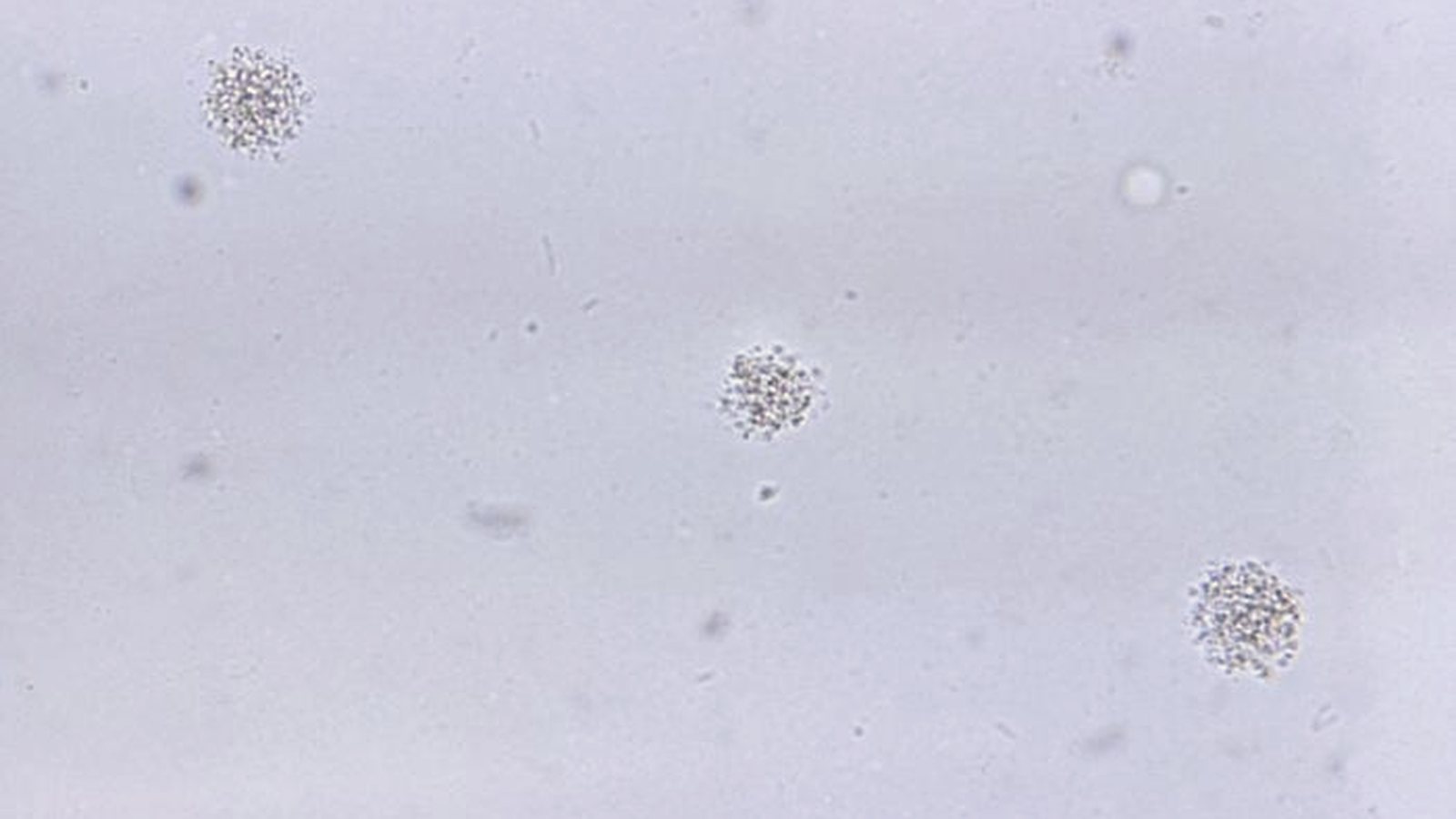
Besides the classic sexually transmitted infections (such as Chlamydia or gonorrhoea), diseases of the urogenital (urinary and reproductive) tract are often caused by pathogens that form a special category in biological terms. These include Ureaplasma parvum and Ureaplasma urealyticum, which together we call the Ureaplasma Complex.
These extremely small bacteria, which have no cell wall, are so-called opportunistic organisms. This means they are very common in the sexually active population (40–80% of women and 5–20% of men carry them), and they are often present as a peaceful part of the normal microbiome, causing no symptoms at all. But if the body’s local defences weaken, or the number of protective lactic acid bacteria falls, Ureaplasma can multiply dramatically and, under various internal and external influences, trigger serious inflammation.
What conditions can the Ureaplasma Complex cause?
Because urogenital infections have no specific (pathognomonic) symptoms by which they could be recognised straight away, the diagnosis can only be made with a targeted laboratory test. Without treatment, the less common chronic forms can lead to serious complications:
- In men: According to the expert guidelines of the World Health Organization (WHO), U. urealyticum is a proven major cause of non-specific, non-gonococcal inflammation of the urethra (urethritis). Symptoms can include a burning or stinging feeling in the urethra and a mild discharge.
- In women: It can cause persistent vaginal discomfort, and it is a potential trigger behind pelvic inflammatory disease (PID).
Key risk: reproductive problems and pregnancy complications
In family planning and fertility investigations, the presence of Ureaplasma is a critical factor. Its chronic presence has been shown to lead to reproductive problems (difficulty getting pregnant), and during pregnancy to serious obstetric complications, such as premature rupture of the membranes, miscarriage or preterm birth.
Why is Real-Time PCR the best method for detecting Ureaplasma?
Because Ureaplasma can also be present in healthy people, a simple "yes/no" result is not always enough for the doctor. Alongside its high sensitivity and specificity, the modern Real-Time PCR technology used at Sabjanics Medical Center offers these unique advantages:
- Measuring the amount (quantification): PCR allows an accurate measurement of the relative amount of the microorganisms compared with the normal flora. This is key with opportunistic bacteria: we can see exactly when their concentration has risen abnormally (for example because the protective flora has decreased at the same time), which clearly confirms a disease state that needs treatment.
- Precise confirmation of the infection: It helps to tell the U. parvum and U. urealyticum strains apart with great precision.
- Checking how well treatment worked: A follow-up PCR after the end of treatment shows objectively whether the number of bacteria has fallen back to a safe, normal level.

A short guide to the test
IMPORTANT INFORMATION FOR PATIENTS
- How will I receive my result?
- With your consent, we email your result as an encrypted, password-protected PDF. At the follow-up consultation, our specialist will explain it to you in detail. How results are sent
What should you do after a positive result?
A positive PCR result does not automatically mean you are ill. Because this is an opportunistic bacterium, we follow strict professional guidelines when assessing the result clinically:
- Treatment protocol for men: It is important to stress that, despite a positive Ureaplasma result, for male patients we generally start antibiotic treatment only if clinical symptoms (e.g. urethritis, a burning sensation, discharge) are also present. If the man has no symptoms at all, whether to treat depends mainly on his partner’s situation (pregnancy, difficulties with family planning).
- A diagnosis tailored to you: Your doctor at Sabjanics Medical Center makes the final diagnosis and decides on targeted treatment by weighing up your detailed medical history, your current symptoms and the bacterial concentration shown by the PCR.
- Partner screening is essential: If medication is justified based on the result and the symptoms, we strongly recommend that the partner or partners are screened and treated at the same time, to avoid passing the infection back and forth (the ping-pong effect).
- Strongly recommended before trying for a baby: Under our clinic’s professional protocol, when you are planning a family, we strongly recommend fully clarifying your Ureaplasma status before a planned pregnancy, to keep the risk of preventable obstetric complications and reproductive problems to a minimum.
Plan ahead and look after your reproductive health. If you have recurring intimate discomfort, or you and your partner are planning a baby, choose the reassurance of modern science. Book the Sabjanics Medical Center Ureaplasma Complex PCR test – professional, fast and completely discreet.
This guide does not replace a consultation with a doctor.