
On this page
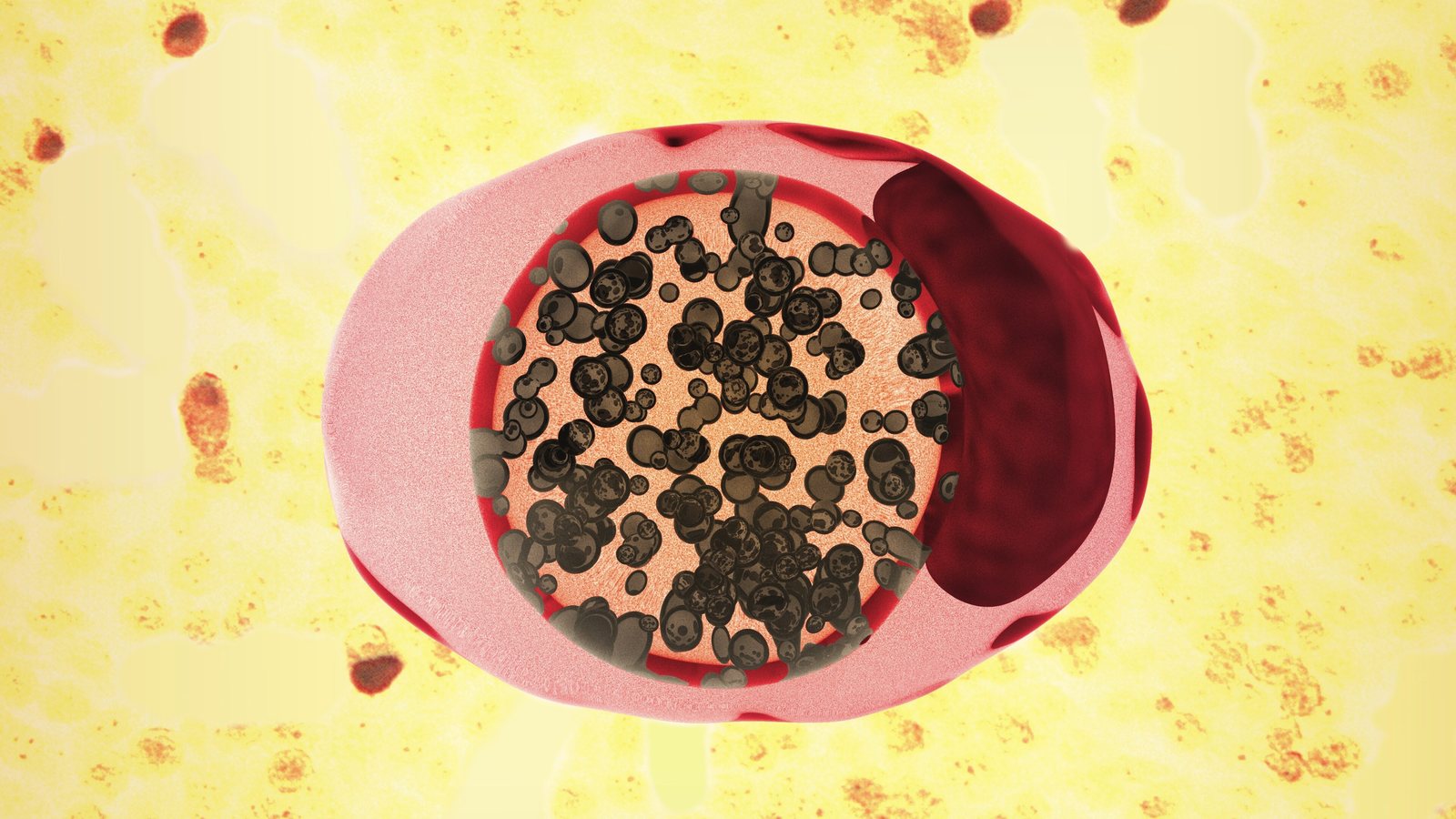
Chlamydia trachomatis is a bacterium that lives inside cells (intracellular). It is responsible for the most common sexually transmitted (STI) bacterial infection worldwide. Its greatest danger is that in most cases it is present in the body without any symptoms at all, or with minimal, non-specific symptoms.
Because infected people are unaware of the infection, they pass it on to their partners unknowingly, while the chronic inflammation in the background can cause serious, even irreversible complications in both sexes – including infertility. The ultra-precise DNA PCR technology used at Sabjanics Medical Center is the most sensitive diagnostic tool available today, giving a clear result even when very few bacteria are present.
How does the infection appear? (Symptoms by sex)
The incubation period is usually 1–3 weeks. It is important to stress that about 70-80% of women, and 50% of men, have no symptoms at all. If symptoms do appear, they may be the following:
In women:
- Vaginal discharge that has changed, is increased in amount, and is clear or yellowish.
- A burning, stinging sensation while passing urine (often mistakenly treated as a simple urine infection).
- Lower abdominal discomfort, a dull pain in the pelvis.
- Inflammation of the cervix (cervicitis) seen on gynaecological examination, and contact bleeding (for example after sexual intercourse, or outside the menstrual cycle).
In men:
- A very small, clear, mucous or watery discharge from the urethra (mainly in the morning).
- A burning sensation when passing urine, or itching inside the urethra.
- Tenderness, pain on one side, or moderate swelling of the testicles or the epididymis.
Serious complications: Why should screening not be put off?
Untreated chlamydia, over time, ascends – that is, it moves up towards the reproductive organs – and causes severe scarring of the tissues and chronic inflammation.
- Complications in women: The infection can spread from the cervix to the lining of the womb and the fallopian tubes, causing pelvic inflammatory disease (PID). This leads to blocked, scarred fallopian tubes, which is one of the leading causes of infertility and of ectopic pregnancy. During pregnancy, untreated infection can cause premature birth, and during birth it can cause conjunctivitis or pneumonia in the newborn.
- Complications in men: It can cause inflammation of the urethra (urethritis), the prostate, and the epididymis (epididymitis). The chronic inflammation and declining sperm quality can lead to infertility in men too.

Why does only the PCR test give a reliable result?
Because Chlamydia trachomatis multiplies inside cells, it cannot be detected by traditional bacterial culture. Older rapid tests and microscopy are very insensitive, and often give a falsely negative test result.
The molecular PCR test performed at Sabjanics Medical Center identifies the bacterium’s specific DNA directly. This method:
- It can detect the pathogen even at the earliest stage of the infection.
- It gives an immediate, clear yes-or-no answer, and removes diagnostic uncertainty.
- It helps you avoid taking unnecessary or ineffective antibiotics.
IMPORTANT INFORMATION FOR PATIENTS
- Type of sample required
- In women: A cell sample taken from the cervix or the vagina with a special swab.
In men: The first stream of the first morning urine (max. 5 ml), or a cell sample taken from the urethra. - How should I prepare?
- For a urine sample: Do not pass urine for at least 2–3 hours before the sample is taken.
For a genital sample: For 48 hours before the test, do not douche or use local antibiotic creams or pessaries, and avoid sex. - How will I receive my result?
- With your consent, we email your result as an encrypted, password-protected PDF. At the follow-up consultation, our specialist will explain it to you in detail. How results are sent
What to do if the test result is positive: balance in the relationship
If the PCR test is positive, the infection is clearly present.
- Targeted antibiotic treatment: Chlamydia can be cured completely, leaving no trace, with a specific, targeted course of antibiotics (usually containing azithromycin or doxycycline). The specialist at Sabjanics Medical Center will prescribe a treatment plan tailored to you.
- The partner must be treated at the same time: Because this pathogen is highly infectious, to avoid the “ping-pong effect” (passing the infection back and forth), the sexual partner must be treated even if they have no symptoms at all, or if their own test is still negative.
- Sexual abstinence: You must strictly avoid sex for the whole course of treatment (and until the follow-up test).
Our specialist advice: Don’t wait for symptoms or complications to appear. If you have a new partner, if you have had sex without a condom, or if you are planning a family, book a discreet, fast and highly reliable Chlamydia PCR screening at Sabjanics Medical Center.
This guide does not replace a consultation with a doctor.