
On this page
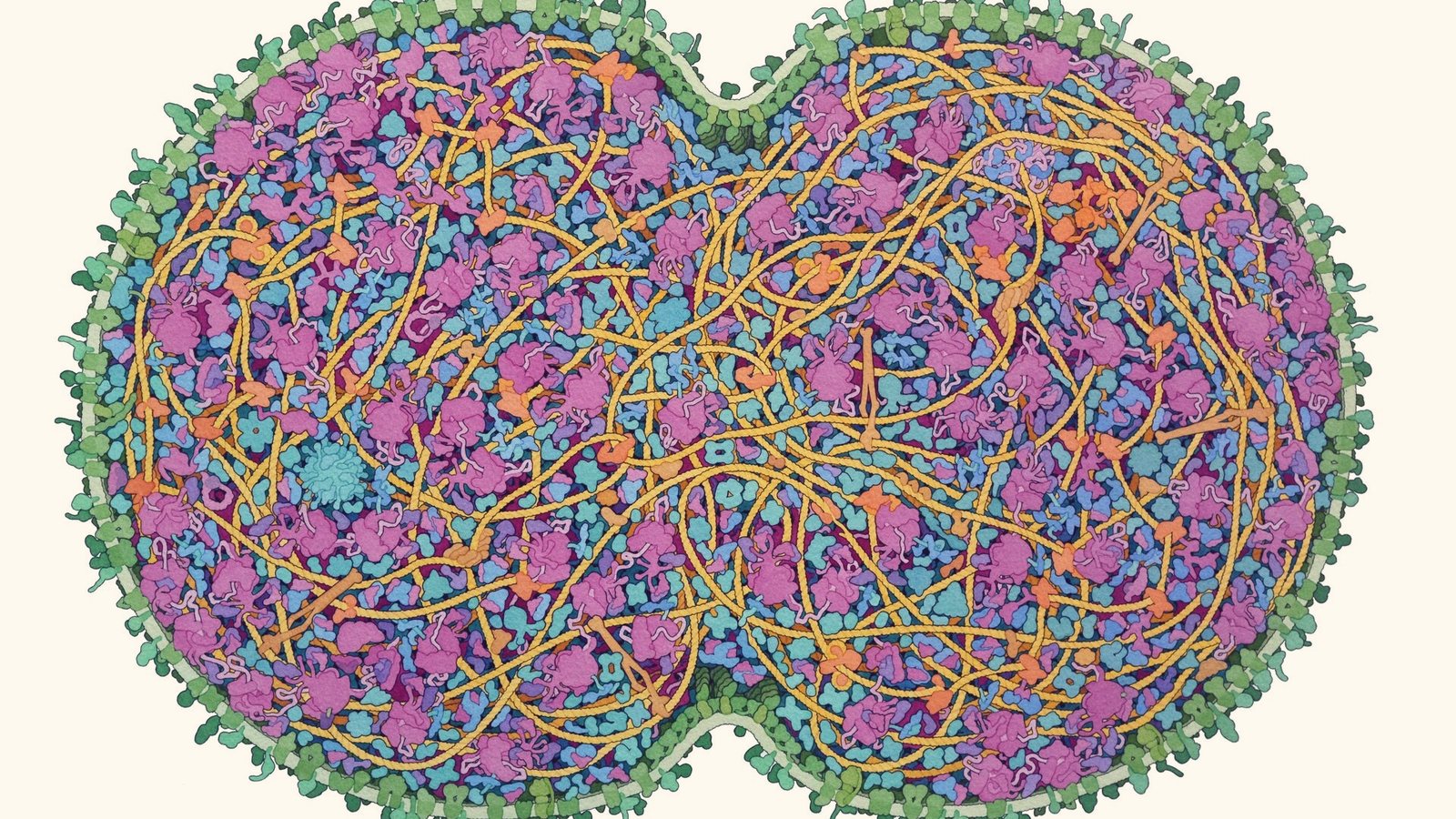
Mycoplasma hominis is a tiny bacterium with no cell wall, found in the human urogenital (urinary and reproductive) tract. Unlike other sexually transmitted infections, it is an opportunistic organism: this means that in certain amounts it can be part of the microbiome of healthy women and men without symptoms. As long as the body’s defences and the balance of the vaginal flora are in good order, the bacterium stays a harmless passenger.
But if the local balance is upset (for example, when the number of helpful Lactobacilli falls), Mycoplasma hominis starts to multiply rapidly and works together with other anaerobic bacteria (e.g. Gardnerella vaginalis). This overgrowth can lead to stubborn vaginal flora imbalance, pelvic inflammation, urological problems in men, and, for couples planning a family, fertility or pregnancy complications. The modern DNA PCR test available at Sabjanics Medical Center is the most reliable way to establish whether the bacterium is present and what role it is playing.
Which symptoms make the test worthwhile?
Because the infection often causes few symptoms or appears alongside other urogenital infections, the symptoms are not specific. Targeted screening is especially recommended if you have any of the following:
In women:
- Persistent, unpleasant vaginal discharge of a changed consistency (often alongside bacterial vaginosis).
- A burning or stinging feeling when passing urine, or a frequent urge to urinate.
- Lower abdominal discomfort, a dull pain in the pelvis or lower back.
- Painful sex (dyspareunia).
In men:
- Slight redness or itching at the opening of the urethra.
- A slight, clear or whitish discharge from the urethra (a sign of non-gonococcal urethritis).
- Discomfort or a burning feeling when passing urine or after ejaculation.
Possible complications: why should it not be ignored?
Although Mycoplasma hominis on its own causes dramatic symptoms less often, untreated or chronic cases can lead to serious complications:
- Pelvic inflammation: In women, the infection can spread up to the womb and fallopian tubes and cause pelvic inflammatory disease (PID), which can lead to scarring and so to infertility or ectopic pregnancy.
- Urological and andrological complications: In men, it can cause chronic inflammation of the prostate or epididymis, which reduces sperm quality and harms fertility.
- Risks in pregnancy: During pregnancy, Mycoplasma hominis increases the chance of premature rupture of the membranes, miscarriage, premature birth and inflammation of the womb lining after birth (postpartum endometritis).

Why is DNA PCR the most reliable diagnostic tool?
Because Mycoplasma hominis has no cell wall, it cannot be seen at all with classic microscopy (e.g. Gram staining). Unlike Mycoplasma genitalium, this species can be grown on special culture media, but culture takes time and is very sensitive to how the sample is transported.
The real-time PCR technology used at Sabjanics Medical Center looks for the bacterium’s DNA directly. This method is:
- Ultra-sensitive and specific: It gives an immediate, clear-cut result even with very few organisms.
- Reliable even during earlier treatment: It detects the bacterium even if the patient has already started taking an antibiotic (which would make culture impossible).
- Protects against a wrong diagnosis: It helps to tell M. hominis apart precisely from other, much more aggressive urogenital bacteria.
IMPORTANT INFORMATION FOR PATIENTS
- What sample is used for screening?
- For women: a sample of cells taken from the cervix or the vagina with a soft brush.
For men: the first stream of the first morning urine (max. 5 ml), or a sample of cells taken from the urethra with a thin swab. - How should I prepare for the test?
- For a urine sample: do not urinate for at least 2–3 hours before the sample is taken.
For a genital sample: in the 48 hours before the test, strictly avoid vaginal douching, pessaries, creams or local antiseptics, and do not have sex. - How will I receive my result?
- With your consent, we email your result as an encrypted, password-protected PDF. At the follow-up consultation, our specialist will explain it to you in detail. How results are sent
What should you do after a positive result?
A positive PCR result confirms the bacterium is present, but interpreting the result is always a complex medical task:
- Weighing symptoms against carriage: Because Mycoplasma hominis can be present in healthy people too, carriage without symptoms (colonisation) does not always need antibiotic treatment – unless there is a pregnancy or fertility treatment. If the patient has symptoms, however, targeted treatment is essential.
- Targeted choice of antibiotic: Because the bacterium has no cell wall, the most common antibiotics that block cell-wall synthesis (such as penicillins or cephalosporins) do not work against it at all. The specialists at Sabjanics Medical Center put together a targeted course of medication based on the latest international protocols (mostly specific tetracycline or lincosamide derivatives).
- Treating your partner: With stubborn, recurring inflammation or difficulty conceiving, your sexual partner must be tested and treated at the same time to avoid the ‘ping-pong effect’ (reinfection).
Get your urogenital health back on track! If you have long had recurring, vague vaginal or urinary discomfort, or you are planning a family, don’t leave your questions unanswered. Book the professional, fast and fully discreet Mycoplasma hominis PCR test at Sabjanics Medical Center!
This guide does not replace a consultation with a doctor.