
On this page
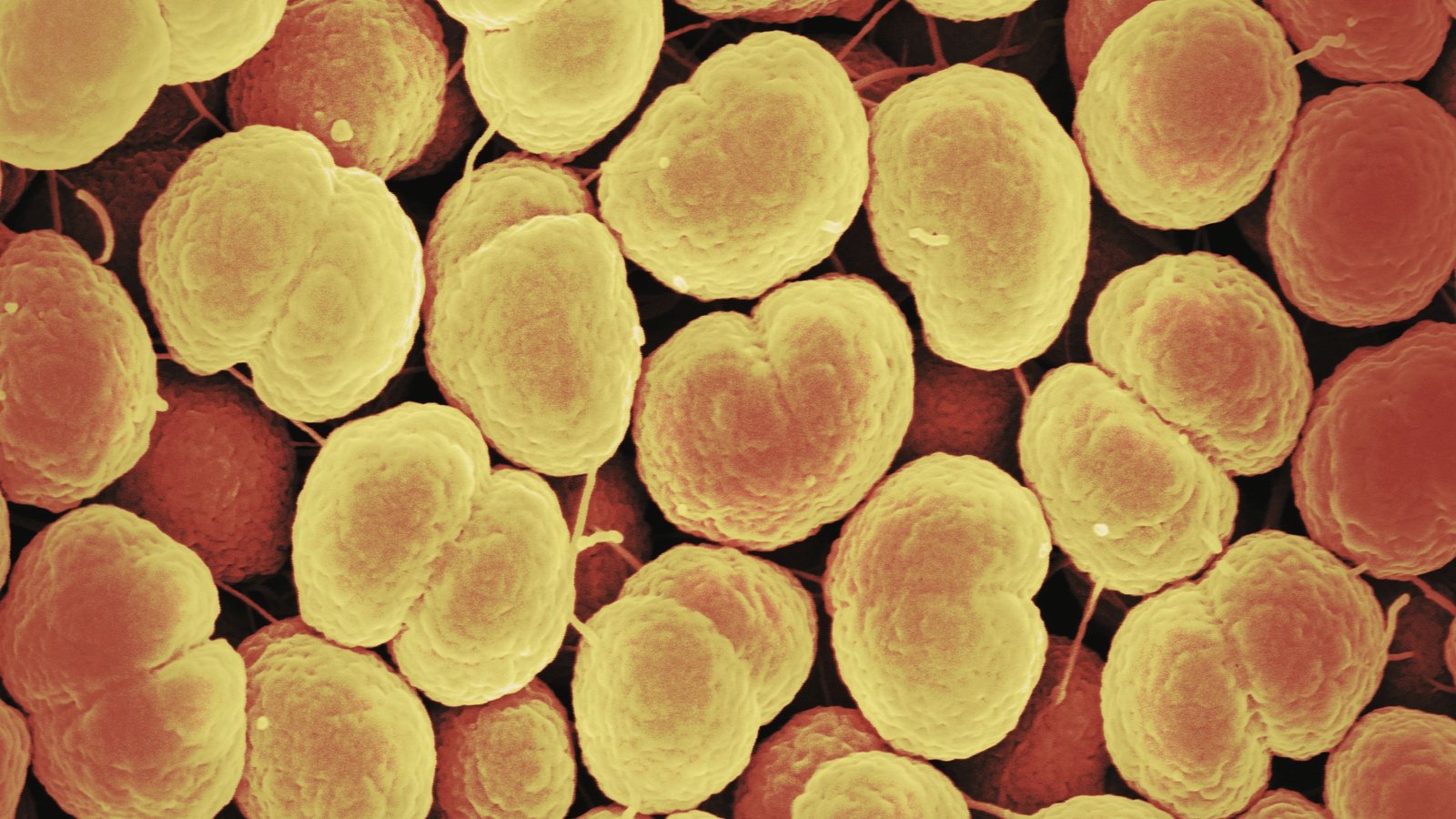
Commonly known as “the clap”, gonorrhoea is still one of the most significant and highly contagious sexually transmitted infections (STIs). It is caused by an encapsulated bacterium called Neisseria gonorrhoeae. It spreads through intimate contact (vaginal, anal or oral). Contrary to popular belief, in many women it is completely hidden and causes no symptoms. Left untreated, in both sexes it can lead to serious pelvic inflammation, chronic pain and infertility.
At Sabjanics Medical Center we use the latest DNA amplification techniques (PCR and SDA – strand displacement amplification). Rather than trying to grow a bacterium that is hard to keep alive, they detect its genetic material, giving the highest diagnostic accuracy available on the market.
Which symptoms call for a test? (Clinical picture by sex)
The incubation period is short, usually 2–7 days. The intensity and type of symptoms differ markedly between men and women.
In men (usually acute and obvious):
- A heavy, thick, yellowish-brown or greenish discharge of pus from the urethra (this is where the Hungarian name “kankó” comes from).
- Intense, burning, sharp pain when passing urine.
- Swelling and redness at the opening of the urethra.
- Less often, pain or tension in one testicle or epididymis.
In women (often few or hidden symptoms):
- In more than 50% of women the infection is completely symptom-free, or the symptoms are so mild that they seem like simple cystitis or vaginitis.
- Changed, increased vaginal discharge that may be pus-like or mucous.
- A frequent urge to pass urine, with a burning, stinging feeling.
- Lower abdominal pain, and contact bleeding outside your period or after sex.
Oral and anal infections: In both sexes, gonorrhoea can infect the throat (pharyngitis) or the rectum (proctitis). A rectal infection can cause discharge, itching and painful bowel movements, while a throat infection usually causes no symptoms at all, so the person can unknowingly pass it on through oral contact.
Serious complications: why you should not delay diagnosis
If the bacterium is not killed in time with targeted treatment, the infection spreads up to the internal reproductive organs and causes chronic scarring of the tissue:
- In women: Pelvic inflammatory disease (PID) can develop, which blocks the fallopian tubes. This scarring is one of the most common direct causes of infertility and ectopic pregnancy. During pregnancy, the infection can cause premature birth or miscarriage, or a serious eye infection that threatens blindness in a newborn passing through the birth canal.
- In men: Chronic urethritis can cause narrowing of the urethra, and inflammation of the epididymis and prostate can permanently damage fertility (infertility).
- Systemic complication (DGI): In rare cases, the bacterium can enter the bloodstream, causing fever throughout the body, characteristic skin rashes and severe, pus-forming joint inflammation.

Why is PCR / SDA the best technology for diagnosis?
Neisseria gonorrhoeae is a very sensitive, delicate bacterium. With traditional culture tests, the bacteria on the swab can easily die on the way to the laboratory, which can give a false negative result.
In contrast, the molecular PCR and SDA (strand displacement amplification) tests used at Sabjanics Medical Center:
- They do not need live bacteria, because they identify the specific DNA and RNA sequences of the pathogen.
- Ultra-sensitive: they give pinpoint-accurate results even when very few bacteria are present.
- They can be combined: From a single sample, we can screen you for Chlamydia at the same time (duo panel), as the two infections very often occur together.
IMPORTANT INFORMATION FOR PATIENTS
- Type of sample required
- In women: A sample of cells taken with a special swab from the cervix or vagina, or if needed from the throat/rectum.
In men: The first stream of the first morning urine (max. 5 ml), or a sample of cells taken from the urethra/throat/rectum. - How should I prepare?
- For a urine sample: Do not urinate for at least 2–3 hours before the sample is taken.
For a genital sample: Avoid vaginal douching, local vaginal products/creams and sex for 48 hours before the test. For a throat sample, do not brush your teeth, eat, drink or chew gum in the 4 hours before the sample is taken. - How will I receive my result?
- With your consent, we email your result as an encrypted, password-protected PDF. At the follow-up consultation, our specialist will explain it to you in detail. How results are sent
What to do after a positive result: targeted treatment and the question of resistance
A positive laboratory result clearly confirms the infection.
- Strictly specialist treatment: Neisseria gonorrhoeae is now one of the fastest-mutating bacteria, and has developed serious resistance to conventional antibiotics worldwide. Self-medication or untargeted treatment does not work! The specialists at Sabjanics Medical Center use effective injectable and/or combined antibiotic treatment in line with the latest international protocols to achieve a full cure.
- Mandatory treatment of your partner: Your partner must be treated at the same time to prevent the “ping-pong effect” (passing the infection back and forth) – even if they have no symptoms at all.
- Abstinence: You must strictly avoid sex until your follow-up test comes back negative.
Look after your safety, discreetly. If you have had sex without a condom, if you notice a discharge you cannot explain, or if you simply want to be completely sure about your own and your partner’s health, book Sabjanics Medical Center’s professional, fast and fully discreet molecular screening.
This guide does not replace a consultation with a doctor.