
On this page
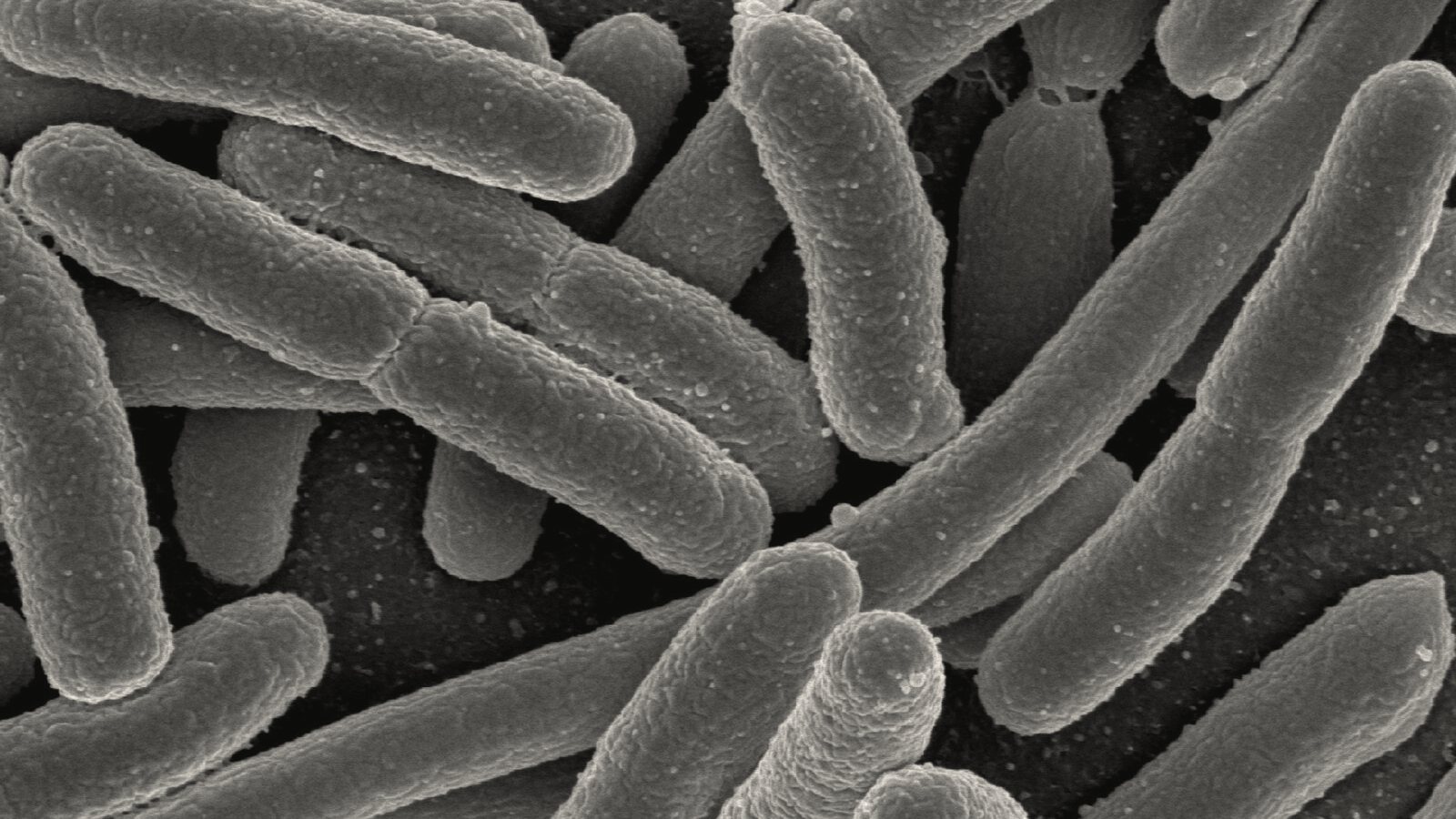
The human body is a fascinating ecosystem: our bodies are estimated to contain more than 1014 (a hundred trillion) cells, and only a tiny fraction of them are actually our own human cells. For each of our own cells there are, on average, 10 microorganisms. All these microbes living with us, in us and on us (bacteria, fungi, viruses), together with their genetic material, are called the microbiome. They colonise our skin, our teeth and every mucous membrane that can come into contact with the outside world (mouth, stomach, genitals), but their largest and most important community lives in the gut.
Keeping the gut flora in balance is vital for good health: beneficial microbes destroy harmful pathogens, help break down hard-to-digest nutrients, play a key role in regulating the immune system, and are essential for producing B vitamins, vitamin K, the mucus that protects the gut wall, and the short-chain fatty acids our body uses for energy.
Because modern life – stress, too little exercise, a poor diet and overuse of antibiotics – can easily upset this delicate balance (dysbiosis), the risk of inflammatory bowel disease, allergies, autoimmune conditions, diabetes and obesity rises. The state-of-the-art stool microbiome test available at Sabjanics Medical Center uses the latest molecular technology and bioinformatics to give a precise map of your gut flora.
What does the test show? How the report is laid out
Traditional microbiological culture can identify only a tiny fraction of the microbes living in the gut, because most beneficial strains die immediately in an oxygen-rich environment. Our clinic's test uses DNA-based sequencing to identify bacteria that cannot be cultured as well.
The test focuses specifically on the bacterial components of the microbiome, and the report shows the most important bacterial groups in figures, as proportions of one another:
- Bacteroidetes
- Firmicutes (the balance between these largely determines metabolism and the tendency to put on weight)
- Fusobacteria
- Proteobacteria
- Actinobacter
- Verrucomicrobia
The test identifies the individual bacterial species needed for healthy gut function, separately shows the proportion of butyrate-producing bacteria (which are key to calming inflammation in the gut), and assesses the diversity of your microbiome, the most important sign of healthy gut flora.

When is the test recommended?
Stool microbiome analysis is recommended for a range of conditions and long-standing complaints:
- Digestive symptoms: Bloating, excess wind, a feeling of fullness, regular abdominal pain, chronic diarrhoea or constipation.
- Gastrointestinal conditions: Diagnosed or suspected inflammation of the stomach and bowel, and functional disorders (e.g. IBS).
- Immune system disorders: A tendency to catch infections, and allergic conditions (whether respiratory/inhaled or food allergies and intolerances).
- After a course of antibiotics: After finishing any antibiotic treatment, to assess how much the gut flora has been damaged.
- Skin problems: For stubborn skin inflammation, eczema or atopic dermatitis (to look at the gut–skin axis).
- General complaints: Chronic tiredness and low energy, and to objectively measure how different diets and eating habits affect your body.
A short guide to the test
IMPORTANT INFORMATION FOR PATIENTS
- How is the sample taken?
- We provide a special sampling kit for the test, and the laboratory can only accept samples taken with it. You can collect the kit at your convenience from the Sabjanics Medical Center reception the day before the test, together with detailed, step-by-step sampling instructions.
- Is any preparation needed?
- No special preparation or dietary restrictions are needed before taking the sample at home.
- When should the sample be handed in?
- To keep the result accurate and the DNA intact, please bring the sample to our clinic no later than the 2nd day after collecting it.
- What language is the report in?
- As an international-standard premium service, we provide the detailed laboratory assessment in both Hungarian and English.
- How will I receive my result?
- With your consent, we email your result as an encrypted, password-protected PDF. At the follow-up consultation, our specialist will explain it to you in detail. How results are sent
What should you do after you receive the test result?
A DNA-based sequencing report on your stool microbiome is a highly complex, high-tech diagnostic document.
With these detailed results, the specialists and dietitians at Sabjanics Medical Center put together a personalised treatment and lifestyle plan for you. Instead of taking general supplements chosen at random, the result shows exactly which beneficial bacterial species need to be rebuilt, and which microbiome-specific diet will best support the recovery of your gut and immune system.
See the root of your health clearly, at molecular level. Don't experiment blindly with diets or probiotics. Book a bioinformatic stool microbiome test at Sabjanics Medical Center, collect the special sampling kit, and take the first informed step towards a balanced, healthy life.
This guide does not replace a consultation with a doctor.