
On this page
Candida albicans is a so-called dimorphic (able to change form), facultatively pathogenic yeast, which is also found in the healthy human body under natural conditions – so it is part of the normal microbiome of the mouth, the gastrointestinal tract, the skin and the genitals. As long as the immune system and the balance of the vaginal flora are adequate, the fungus lives peacefully in its surroundings, without symptoms.
However, certain predisposing factors can turn Candida albicans into an opportunistic pathogen (one that takes advantage of weakness). It can change its structure: from a simple yeast form it becomes filamentous (hyphal), able to invade tissues aggressively and evade the cells of the immune system. It also forms a resistant protective layer around itself, called a biofilm, which makes conventional antifungals much less effective.
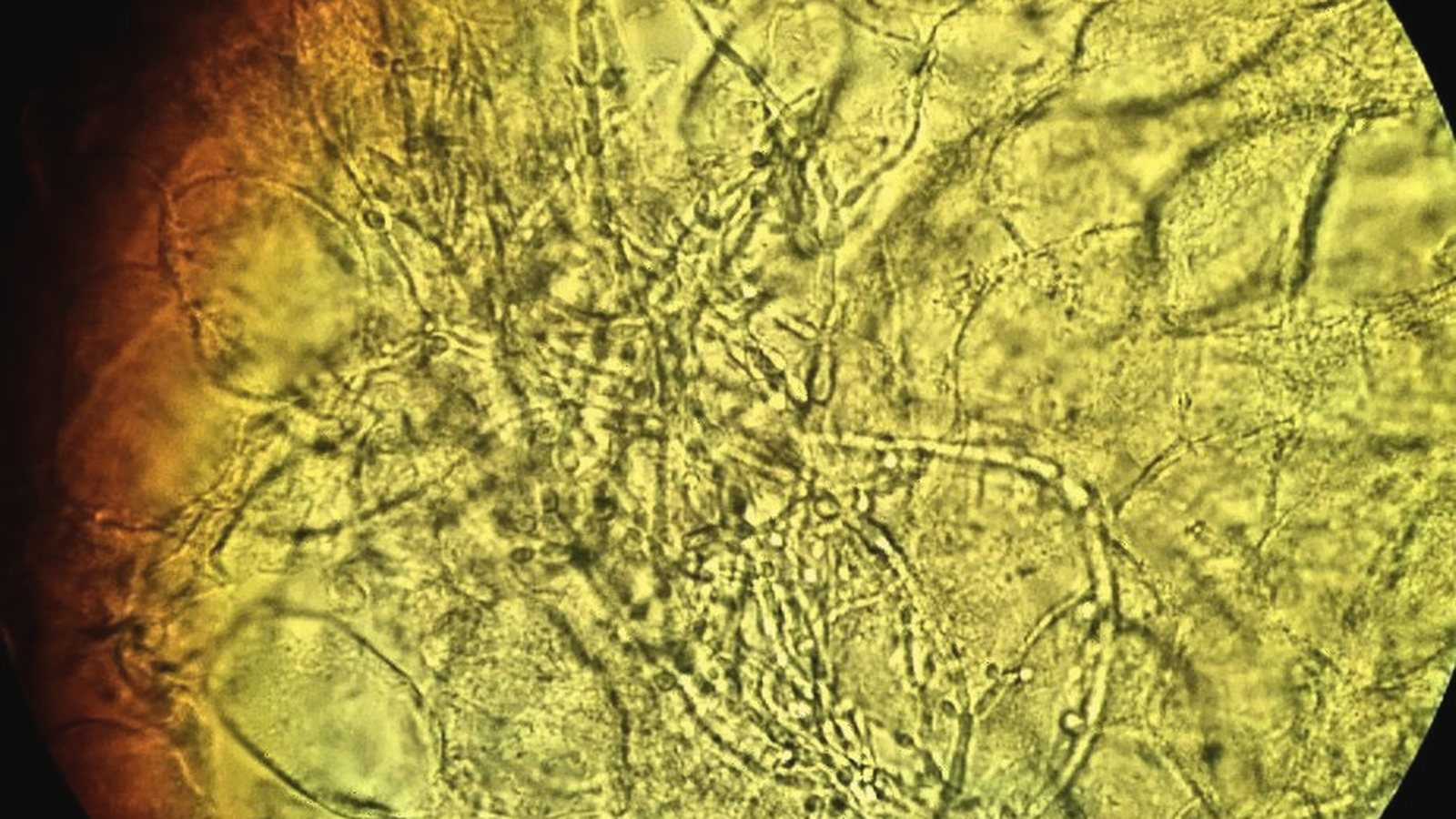
How the infection appears through sexual contact (STD context)
Although Candida is not one of the classic sexually transmitted diseases, more and more clinical evidence shows that partners can pass the infection to each other through vaginal, anal or oral contact, especially if one of them has active or recurrent inflammation.
Depending on sex, the symptoms may be the following:
- In women (vulvovaginal candidiasis): Intense, distressing vaginal itching, burning, redness, and a typical white, cottage cheese-like, odourless discharge.
- In men (balanitis/balanoposthitis): Inflammation of the glans and foreskin, redness, itching, small spot-like patches, and a painful, burning feeling when passing urine or ejaculating.
- After oral contact: Inflammation of the mouth and throat, with a whitish coating on the tongue or throat.
The risk of the “ping-pong effect”: Because fungal colonisation in men is often completely symptom-free, a partner can unknowingly reinfect the other again and again. So in stubborn, recurring cases it is essential to look into reinfection within the relationship.
When is a Candida PCR test indicated?
Candida screening is not part of general, routine STD screening packages, but at Sabjanics Medical Center we particularly recommend it in the following cases:
- In chronic, recurring vaginal thrush (if it occurs more than 4 times a year).
- If the typical genital symptoms do not settle, but tests for the other classic sexually transmitted diseases (Chlamydia, gonorrhoea, Mycoplasma and so on) are negative.
- If the partner has also developed inflammatory, itchy symptoms.
- When diabetes, insulin resistance or another immunodeficiency is present.
- After a long course of a broad-spectrum antibiotic.

Why does PCR diagnostics offer more than traditional culture?
The accuracy of traditional microscopy and culture can be limited. In contrast, the molecular biology (PCR) test used at Sabjanics Medical Center looks directly for the fungus’s genetic material (DNA).
The main advantages of PCR technology:
- Exceptional sensitivity: It detects the pathogen even when only a very small number of organisms are present, or when the fungus is hiding within a biofilm.
- Species-level identification: It can tell Candida albicans apart precisely from non-albicans species (e.g. Candida glabrata, Candida krusei). This is critical because non-albicans species can be genetically resistant to the common azole-type antifungals sold in pharmacies (e.g. fluconazole).
- A solution to treatment resistance: If previous treatments have not worked, PCR helps reveal whether we are dealing with a resistant strain that has a special pump mechanism (e.g. overactivation of the CDR1 and MDR1 genes).
IMPORTANT INFORMATION FOR PATIENTS
- Samples required
- The test can be done on: the first stream of the first morning urine (max. 5 ml), ejaculate, prostatic fluid, and an epithelial scraping from the female or male urogenital (genitourinary) tract.
- How should I prepare?
- Before sample collection, douching, disinfectant wipes and scented shower gels are strictly not allowed. They can wash away surface cells and fungi, which may lead to a false negative result.
- How will I receive my result?
- With your consent, we email your result as an encrypted, password-protected PDF. At the follow-up consultation, our specialist will explain it to you in detail. How results are sent
What should you do after you receive the test result?
A positive PCR test result clearly confirms that the fungus is present, and which species it is. Because unsuccessful treatment is most often due to drug resistance or an untreated partner, always take the result you receive to a specialist at Sabjanics Medical Center. With the support of our laboratory, our specialists draw up a targeted, personalised treatment protocol, extended to the partner if needed, so that you can at last be free of the unpleasant symptoms.
Book an appointment for the test. Don’t let recurring infections spoil your daily life and your relationship. Trust your diagnosis to the molecular precision of Sabjanics Medical Center.
This guide does not replace a consultation with a doctor.