
On this page
Human papillomavirus (HPV) is the most common sexually transmitted pathogen in the world. It is so widespread that the great majority of sexually active adults meet it at least once in their life. Because the infection spreads by intimate skin-to-skin contact, classic forms of protection (for example a condom) do not give 100% safety against it either.
At Sabjanics Medical Center we see it as a key part of our work to share the facts about HPV and clear up the myths. The modern, ultra-sensitive multiplex Real-Time PCR test we offer identifies the virus's genetic material (DNA) directly, giving the highest level of certainty for you and your partner.
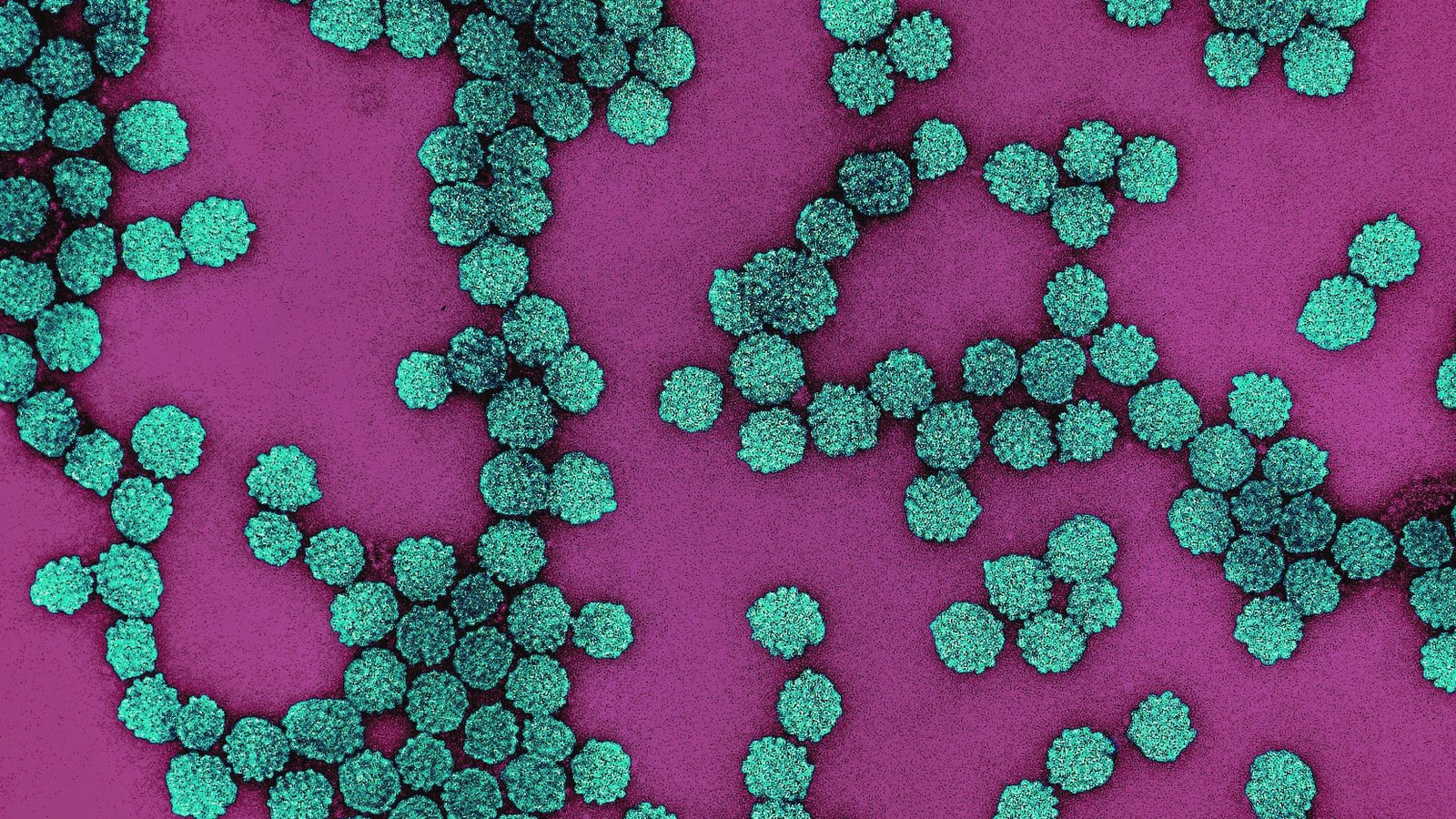
HPV types: high-risk and low-risk strains
More than 200 subtypes of HPV are known, of which about 40 can infect the genital area. We divide them into two main groups according to how much risk they pose to health:
- Low-risk types (e.g. HPV 6, 11): They rarely cause cancer, but they are responsible for benign skin growths on the genitals and around the anus known as genital warts (condylomas), which are very unpleasant both cosmetically and physically. These warts are very stubborn and, without proper treatment, tend to come back again and again.
- High-risk types (e.g. HPV 16, 18, 31, 33, 45, 52, 58): These are the most dangerous strains. Their persistent presence has been shown to lead to cervical cancer, as well as cancers of the vulva, vagina, anus and oropharynx. Their greatest danger is that they can hide in the body for years without any symptoms or pain!
Facts about the course of HPV infection – What everyone should know
- The body can clear it, but unpredictably: In most cases a healthy immune system clears the infection on its own within 1–2 years, leaving no trace. Medically, however, there is no way to predict who will recover on their own and who will develop a persistent infection that may lead to cancer years later.
- No lasting natural immunity: Even if the body has cleared the virus, it does not develop lifelong immunity against it. This means that, unfortunately, you can catch the same HPV type more than once in your life.
- Spread without symptoms: Because the infection is almost never painful, most men and women who carry it pass it on without knowing they are infected.
- Transmission during birth: An infected mother can pass the virus to her newborn as it passes through the birth canal, which can cause dangerous growths in the baby's airways.
Why does a PCR test offer more than conventional cancer screening?
The conventional gynaecological cytology test (Pap test) is a reactive method: it shows a result only when the virus has already caused a visible, microscopic cell change or damage on the cervix.
By contrast, the DNA PCR screening carried out at Sabjanics Medical Center:
- It detects the virus while it has not yet caused any changes in the cells, giving us valuable years for prevention.
- It carries out precise genotyping, meaning it tells us exactly which strain is present – essential for an accurate estimate of cancer risk.
- Available for men too: While there is no cytology-based cancer screening for men, PCR can accurately confirm carriage in men as well, preventing partners from passing the infection back and forth (the so-called ping-pong effect).
IMPORTANT INFORMATION FOR PATIENTS
- How is the sample taken?
- For women: A completely painless gynaecological sample taken from the cervix with a soft brush.
For men: A sample taken from the surface of the glans, from under the foreskin or from the urethra with a thin swab. - How should I prepare for the test?
- For 48 hours before the sample is taken, you must strictly avoid vaginal douching, pessaries, creams or lubricants, and you should not have sex.
- How will I receive my result?
- With your consent, we email your result as an encrypted, password-protected PDF. At the follow-up consultation, our specialist will explain it to you in detail. How results are sent
How can we protect ourselves? The pillars of prevention
Because we cannot directly destroy an established HPV infection with medicine, the emphasis has to be on prevention. At Sabjanics Medical Center we recommend three levels of protection to our patients:
1. A considered relationship and condom use
Although a condom does not give 100% protection, because it leaves some skin uncovered, using one greatly reduces the risk of the infection being passed on.
2. Regular screening tests
Women over 25 are advised to attend comprehensive cervical screening and an HPV PCR test at least every 3 years (yearly in a private clinic).
3. Vaccination – facts about safety
The modern 9-component (nonavalent) vaccine gives very long-lasting protection against the most dangerous cancer-causing HPV types and those that cause warts.
What does the World Health Organization (WHO) say? Based on data from millions of doses given, the WHO has confirmed that HPV vaccines are exceptionally safe. Apart from mild, temporary redness or swelling at the injection site, and rare fainting due to the needle, no serious or lasting side effects have been seen.
Can you have it as an adult or after a positive result? Yes! Vaccination is specifically recommended in adulthood, and even alongside an existing positive HPV result. Although the vaccine does not cure an existing infection, it has been shown to protect the body from reinfection with the other dangerous strains covered by the vaccine.

What should you do if the result is positive?
A positive HPV result does not mean cancer; it only shows that the virus is present!
If the test result confirms a high-risk strain, the gynaecology specialists at Sabjanics Medical Center arrange closer follow-up (more frequent checks and a special microscopic examination). In this way we can treat any changes at once, with a minimal procedure, while they are still precancerous. For low-risk genital warts, we relieve the symptoms with modern, gentle cosmetic and local treatment.
Look after your safety in good time! HPV-associated cancers are the only cancers that could be almost 100% prevented with timely molecular screening and vaccination. Book an appointment at Sabjanics Medical Center for professional, discreet and highly accurate PCR screening and preventive advice!
This guide does not replace a consultation with a doctor.