
On this page
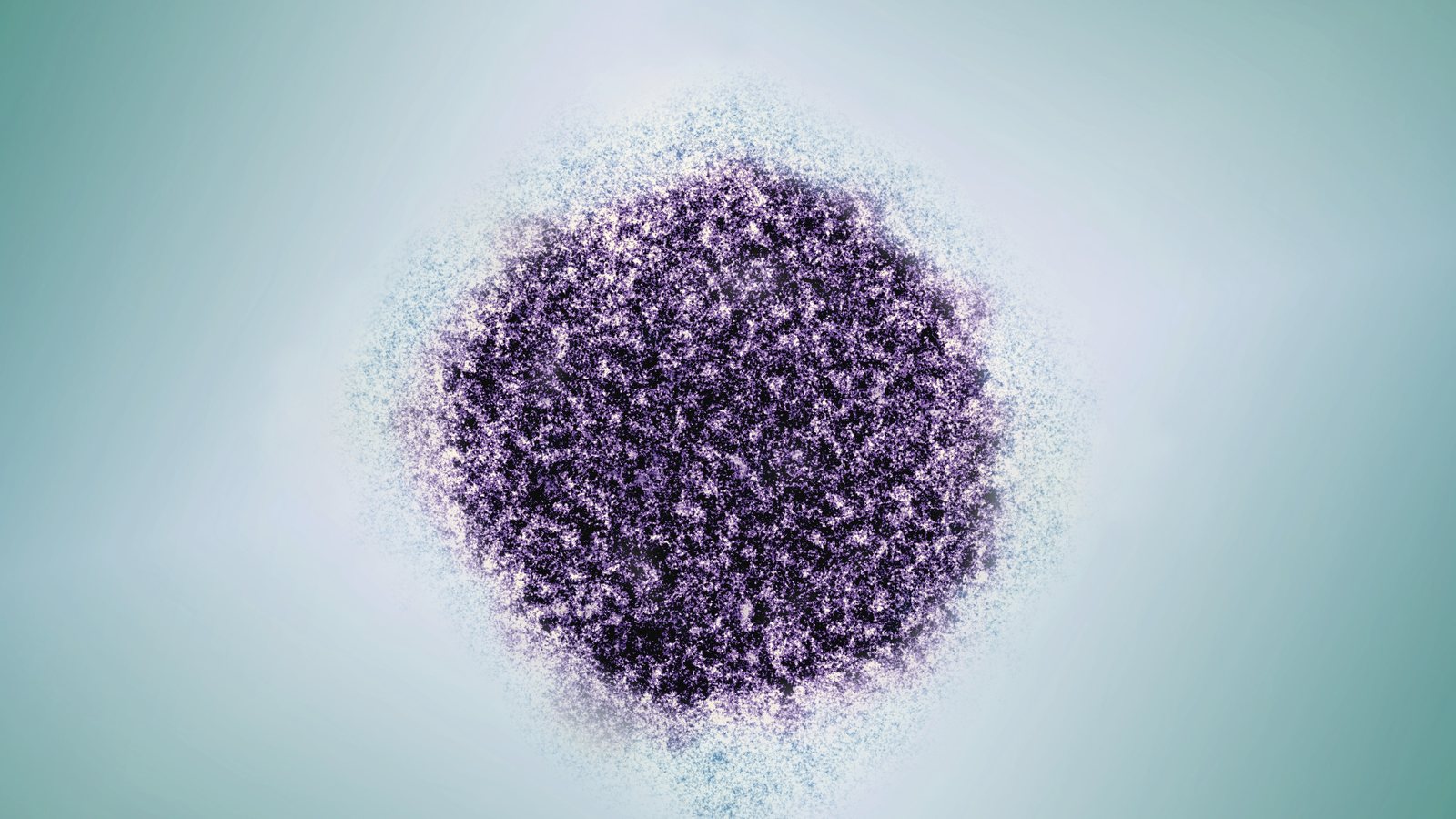
The Hepatitis C virus (HCV) is an RNA virus of the Flaviviridae family and causes one of the most dangerous forms of blood-borne liver inflammation. Unlike other members of the family (which are spread by insects or ticks), Hepatitis C can only pass from person to person. In a very high proportion of cases – around 70–80% – the virus becomes a chronic infection, which in the long term can lead to fatty liver, cirrhosis and eventually liver cancer (hepatocellular carcinoma).
Because liver cancer is one of the most dangerous cancers in the world, early diagnosis saves lives. The modern HCV RNA Real-Time PCR test available at Sabjanics Medical Center is the gold standard of diagnosis: it doesn't just measure antibodies, it directly confirms the presence and exact amount of the virus in the blood.
How does Hepatitis C spread, and who is affected?
Hepatitis C spreads mainly through blood, by direct contact. In modern healthcare, mandatory and strict screening of blood products has reduced the risk of infection through transfusion to almost zero, but many risk factors remain in everyday life.
The groups most at risk of infection:
- People who have had a tattoo, piercing or body jewellery done in conditions that were not properly sterile.
- People who inject drugs (even after sharing a needle or equipment just once).
- Healthcare workers (because of invasive procedures and possible needlestick injuries).
- Statistically, the infection most often affects people aged 15–44, and it is more common among men.
Symptoms of infection: why is it called a silent killer?
In 85–90% of cases the acute (early) infection is completely symptom-free, so most patients carry the virus unknowingly for decades. If symptoms do appear, they develop on average in the 7th week after infection (between 3 and 12 weeks):
- General symptoms: Fever, unusually severe tiredness, exhaustion and recurring muscle pain.
- Digestive signs: Tension or pain below the right ribs (because the liver is enlarged), loss of appetite, nausea.
- Liver-specific symptoms: Yellowing of the skin and the whites of the eyes (icterus), together with noticeably dark urine and pale, clay-coloured stools.
- In a routine blood test, liver function values – especially a sudden rise in the ALT (alanine aminotransferase) enzyme – are an important early warning sign.

Why is a PCR test essential alongside conventional tests?
Hepatitis C screening usually starts by looking for the antibodies the body produces (anti-HCV test). Although antibodies appear in almost everyone by the 7th–8th week after infection, this alone is not enough for complete certainty:
- Early detection in the "window period": In rare cases antibodies can take as long as 5–6 months to appear. A real-time PCR test, however, does not wait for the immune response: it detects the virus’s RNA itself, so it can confirm acute infection within the first few weeks.
- Proving active infection: If someone has had the infection before and recovered on their own, their antibody test can stay positive for life, even though the virus is no longer in their body. PCR is the only method that shows in black and white whether the virus is still actively multiplying in the liver.
- Screening for indirect cancer risk: While the hepatitis B virus inserts itself directly into the DNA of liver cells (so it causes cancer directly), hepatitis C triggers tumour development indirectly, by disrupting cell functions and causing chronic oxidative stress. An exact viral load (copy number) measured by PCR is essential for your doctor to plan treatment, which can stop this process.
IMPORTANT INFORMATION FOR PATIENTS
- How is the sample taken?
- The test needs a simple, routine blood sample from a vein, from which the laboratory extracts the virus's genetic material from whole blood.
- How should I prepare for the test?
- The Hepatitis C PCR test needs no special preparation. You don't need to fast (you can eat and drink as normal before the sample is taken), and you don't need to stop any medicines you take regularly. It can be done at any time of day.
- How will I receive my result?
- With your consent, we email your result as an encrypted, password-protected PDF. At the follow-up consultation, our specialist will explain it to you in detail. How results are sent
What should you do after you receive the test result?
One of the greatest success stories of modern medicine is that Hepatitis C can now be cured almost 100% of the time, leaving no trace, with modern medicines that act directly on the virus (known as DAA therapy).
- If the PCR result is positive: If the result confirms the virus, contact your doctor straight away; we also recommend visiting your regional Hepatology Centre (liver clinic). Based on the exact viral load (copy number) and the genotype, the specialists will make a precise diagnosis and start targeted, modern medication, which can fully prevent liver damage and cancer complications.
Protect your liver in good time! If you have ever had a tattoo done in non-sterile conditions, or you notice suspicious symptoms or unexplained tiredness, don't put off getting checked. Book an appointment for the professional, fast and discreet Hepatitis C PCR screening test at Sabjanics Medical Center!
This guide does not replace a consultation with a doctor.