
On this page
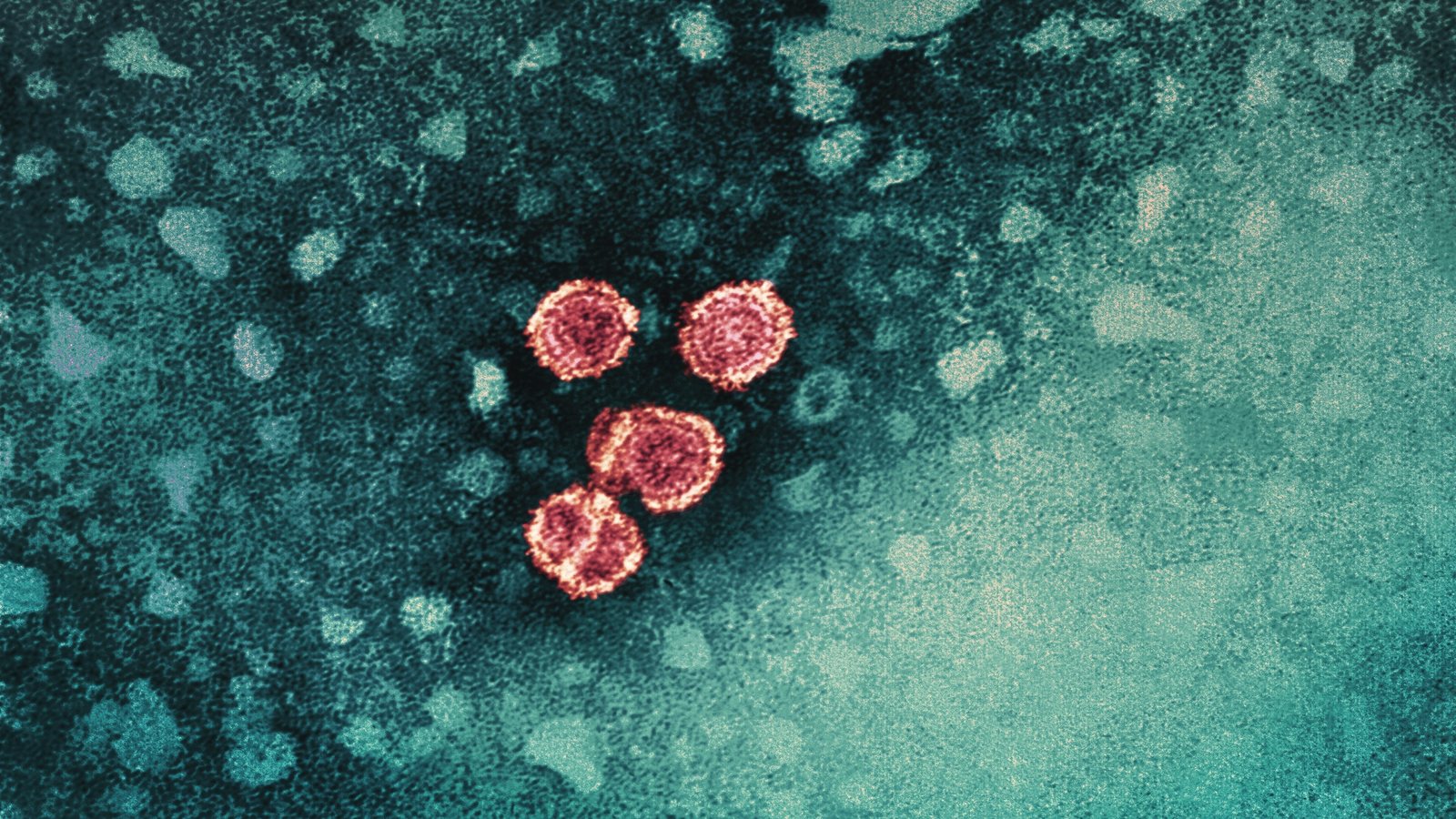
Hepatitis B virus (HBV) infection is one of the biggest public health and liver (hepatology) challenges worldwide. The virus is highly aggressive and resistant to the environment. Its greatest danger is that, once chronic, it can cause serious tissue damage: hepatitis B infection is proven to be responsible for more than 50% of malignant liver cancers (hepatocellular carcinoma).
The ultra-sensitive DNA PCR test available at Sabjanics Medical Center is the cutting edge of modern diagnostics. Rather than just measuring the body’s immune response, it detects the virus’s genetic material directly in the blood, which is key in the early stage of infection and in planning effective treatment.
How does hepatitis B spread, and who is most at risk?
The infection spreads only through infected body fluids (blood, semen, vaginal fluid, saliva and urine), by direct contact or through the mucous membranes. Because the amount of virus in body fluids is extremely high in the acute (early) phase, even a tiny amount of infectious material is enough to cause illness.
People at higher risk of infection include:
- People with a promiscuous lifestyle (several sexual partners, sex without a condom).
- People who have had a tattoo or piercing in non-sterile conditions.
- Healthcare workers (because of their daily work and possible needlestick injuries).
- People who inject drugs (sharing needles).
- Close family members living in the same household as an infected person.
Symptoms of infection: why is it hard to spot in time?
The incubation period of hepatitis B is long, usually 1–3 months. The virus itself does not directly destroy liver cells, so in the early stage of infection the symptoms are often very mild, non-specific or even completely absent (about 30% of infections cause no symptoms at all).
Which warning signs call for a test?
- General symptoms: Prolonged, severe tiredness, exhaustion, general weakness and low energy.
- Early symptoms: A raised temperature, fever, joint pains that move around, or typical skin rashes.
- Specific liver symptoms: Yellowing of the whites of the eyes or the skin (jaundice), dark urine and digestive problems.

Why is a PCR test needed alongside a standard blood test?
The basic way to detect hepatitis B is traditional antibody and antigen testing (the ELISA method), which looks for the virus’s surface proteins (HBsAg) or the antibodies the body makes. In some situations, however, this alone is not reliable enough:
- Bridging the window period: After infection there is a period (the window period) when the body has not yet made enough protein or antibodies, so a traditional test will be falsely negative. The PCR test looks for the virus’s DNA, so it shortens this period and can confirm the infection much earlier.
- Identifying mutant strains: In some cases (for example in people of Mediterranean origin or with so-called core mutations) the structure of the virus changes. Traditional tests then stay "blind" to the infection, while PCR still gives a pinpoint-accurate result.
- Starting and monitoring treatment: Under modern international guidelines, deciding whether to start hepatitis B treatment, and checking how well the medicines work, requires an accurate viral load (copy number), which only a PCR test can measure.
IMPORTANT INFORMATION FOR PATIENTS
- How is the sample taken?
- The test needs a simple, standard venous blood sample; the laboratory uses whole blood for the molecular analysis.
- How should I prepare for the test?
- The hepatitis B PCR test needs no special preparation. You do not need to fast (you can eat and drink before the test), and you do not need to stop your regular medicines. It can be done at any time of day.
- How will I receive my result?
- With your consent, we email your result as an encrypted, password-protected PDF. At the follow-up consultation, our specialist will explain it to you in detail. How results are sent
What should you do after you receive the test result?
The cornerstone of hepatitis B diagnosis is mapping the serological profile, which the PCR test completes.
- If the result is positive: If the PCR test detects the virus, contact your doctor straight away with the result; we also recommend visiting your regional Hepatology Centre (liver clinic). There, based on the exact copy number and the full set of results, specialists will make a precise diagnosis and decide on the best personalised antiviral treatment to protect your liver in the long term.
Look after your health safely and discreetly. If you feel you have been at risk, are struggling with lasting tiredness of unclear cause, or are about to have surgery or a tattoo, book an appointment for the professional and highly reliable hepatitis B PCR screening test at Sabjanics Medical Center.
This guide does not replace a consultation with a doctor.