On this page
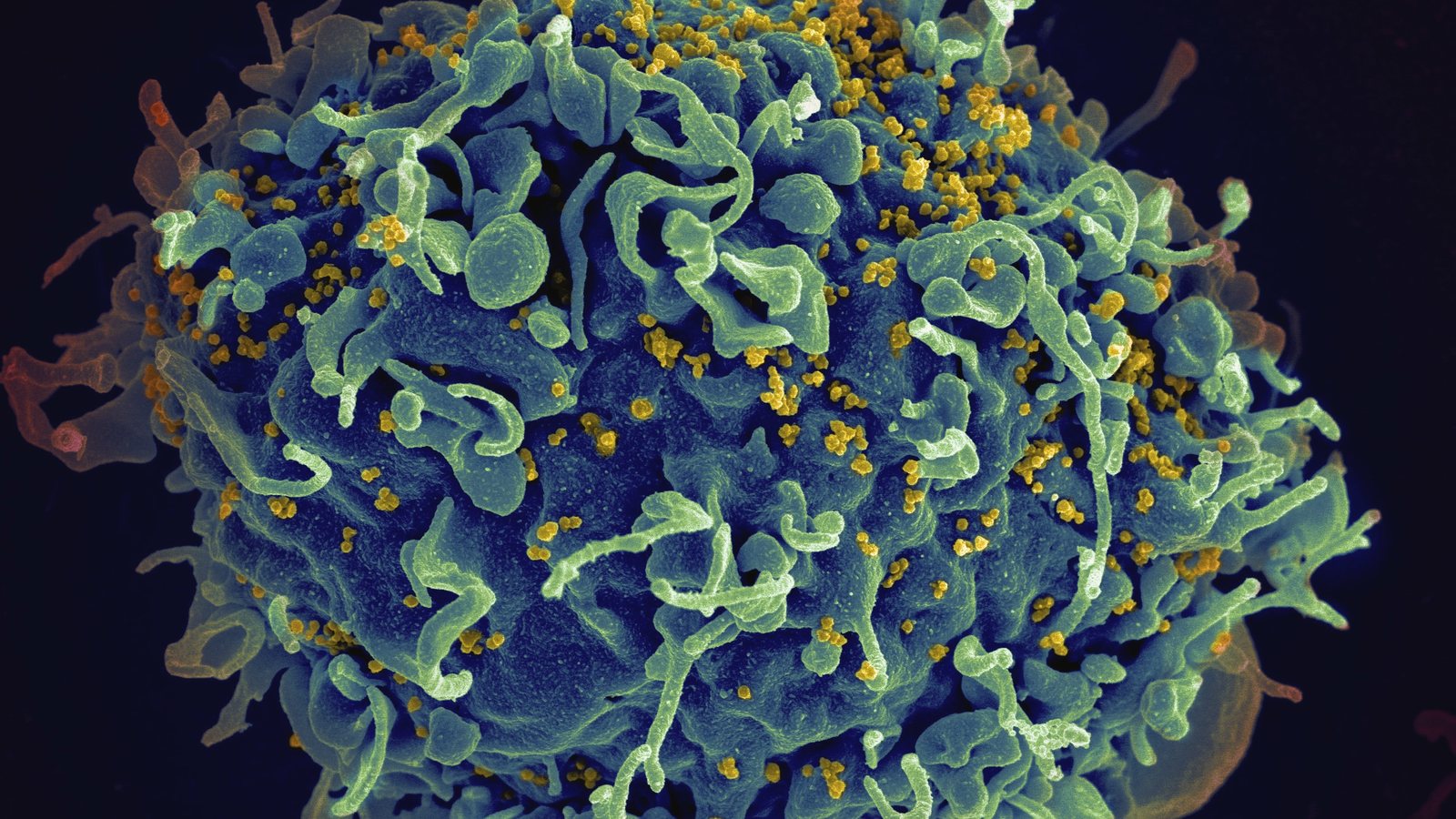
HIV is a virus that attacks the immune system. It can be passed on through blood, through sex, and during pregnancy, birth and breastfeeding. [2] Effective treatment is available today: with regular medication, people living with HIV can live long, full lives, and with a durably undetectable viral load they do not pass the virus on through sex. [2] [3]
At Sabjanics Medical Center, HIV screening is available both as a rapid test and as a laboratory test, in complete confidence.
What does the test detect?
The laboratory test looks for antibodies against HIV-1 and HIV-2 and for the virus's p24 antigen at the same time, so it can detect infection earlier than tests that look for antibodies only. [1]
The rapid test gives a result quickly from a few drops of blood. You can ask for it on its own or as a package together with syphilis and hepatitis rapid tests.
When is the test recommended?
The test is recommended in the following situations: [3]
- after risky sex without a condom,
- if you have a new partner, or another sexually transmitted infection,
- after sharing needles,
- when planning a pregnancy.
If you were at risk in the last 72 hours, don't wait for a test. At this stage preventive medication (PEP) can still reduce the chance of infection – see a doctor as soon as possible: urgent PEP clinic. [3]

The window period: when does the test give a reliable result?
A negative test is reliable once the so-called window period has passed since the risky situation. According to the CDC: [1]
- the laboratory antigen–antibody test usually detects the infection 18–45 days after exposure,
- rapid antigen–antibody tests after 18–90 days,
- antibody-only tests after 23–90 days.
A short guide to the test
IMPORTANT INFORMATION FOR PATIENTS
- How is the sample taken?
- A blood sample is needed for the laboratory test, and a few drops of blood are enough for the rapid test.
- How should I prepare?
- You do not need to come on an empty stomach. When you book an appointment, tell us when the risky event happened, so our specialist can help you choose the right test and the right timing. The test is completely confidential.
- How will I receive my result?
- With your consent, we email your result as an encrypted, password-protected PDF. At the follow-up consultation, our specialist will explain it to you in detail. How results are sent
What should you do after you receive the test result?
Reactive (positive) result: a positive rapid test or screening result is not yet a final diagnosis; a confirmatory laboratory test is needed. [4] Even with a positive result, you are not alone: For people who test positive.
Negative result: if the test was done after the window period had passed and there has been no new risk since, infection can be ruled out. If the test was done within the window period, international guidance says it must be repeated once the window period has passed. [1]
If infection is confirmed, starting treatment as soon as possible is what matters most; we also help with this, and with organising ongoing care. [2]
Book an appointment with confidence! If you are unsure after a risky situation, or simply want peace of mind, contact the expert team at Sabjanics Medical Center – the test is completely discreet.
Sources: [1] CDC – HIV tests and the window period · [2] WHO – HIV and AIDS · [3] NHS – HIV and AIDS · [4] MedlinePlus – HIV screening test
This guide does not replace a consultation with a doctor.